
How to Choose a Deep Drop Electric Reel for Deep Water
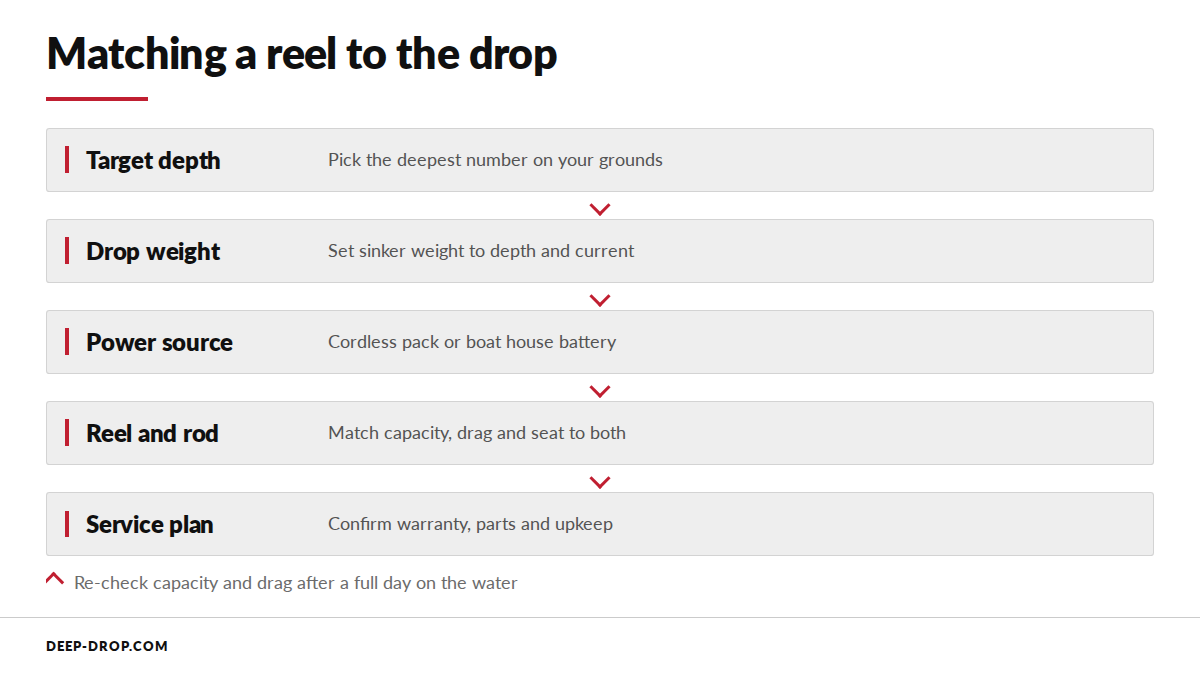
Knowing how to choose a deep drop electric reel comes down to four questions: how deep you fish, what you are dropping for, how the boat makes power, and who can service the reel when it needs parts. The motor, the line counter and the drag all follow from those answers. Everything below walks the order we use across the counter — the drop first, the power second, and the reel that fits both.
How to Choose a Deep Drop Electric Reel: Start With the Drop
Depth decides nearly everything else. A queen snapper on a 600-foot wreck and a swordfish bait fished past 1,400 feet are different problems, even though both get an electric reel. The deeper you go, the more line the spool must hold, the more weight it takes to reach bottom, and the harder the motor works to bring the whole rig back up.
Write down the deepest number on your grounds, then add scope for drift and current. That number, not the reel's marketing copy, is what you shop against.
Sinker and Weight Selection by Depth and Current
Weight is what makes a deep drop work or fail. Four things push it up:
- Depth: more line in the water means more drag on the rig.
- Current: a running tide at 900 feet needs a heavier bait than a slack one.
- Braid diameter: thinner braid cuts current and lets you fish lighter.
- Drift speed: a fast drift drags the bait off structure unless you add weight.
From 600 to 800 feet in light current, most anglers fish 2 to 3 pounds. Past 1,000 feet, or in a hard tide, 4 to 6 pounds is common. Choose the reel after you know the weight, because that weight is what the retrieve has to pull home, drop after drop.
Braid Line Capacity Follows Depth
Line capacity is sold in yards, but you fish in feet. A 1,000-foot drop puts roughly 333 yards of line in the water before you count scope and the fish's climb. A reel holding 500 yards of 80-pound braid leaves real margin; one holding 300 does not. Check the capacity figure against your braid's actual diameter rather than the reel's headline number, and leave room to cut out a wind knot without running short on the next drop.
Cordless or Corded: Match Power to the Boat
Power source is the first hard fork, and it is decided by the boat more than by the fishing.
Integrated Lithium-Ion Battery Reels
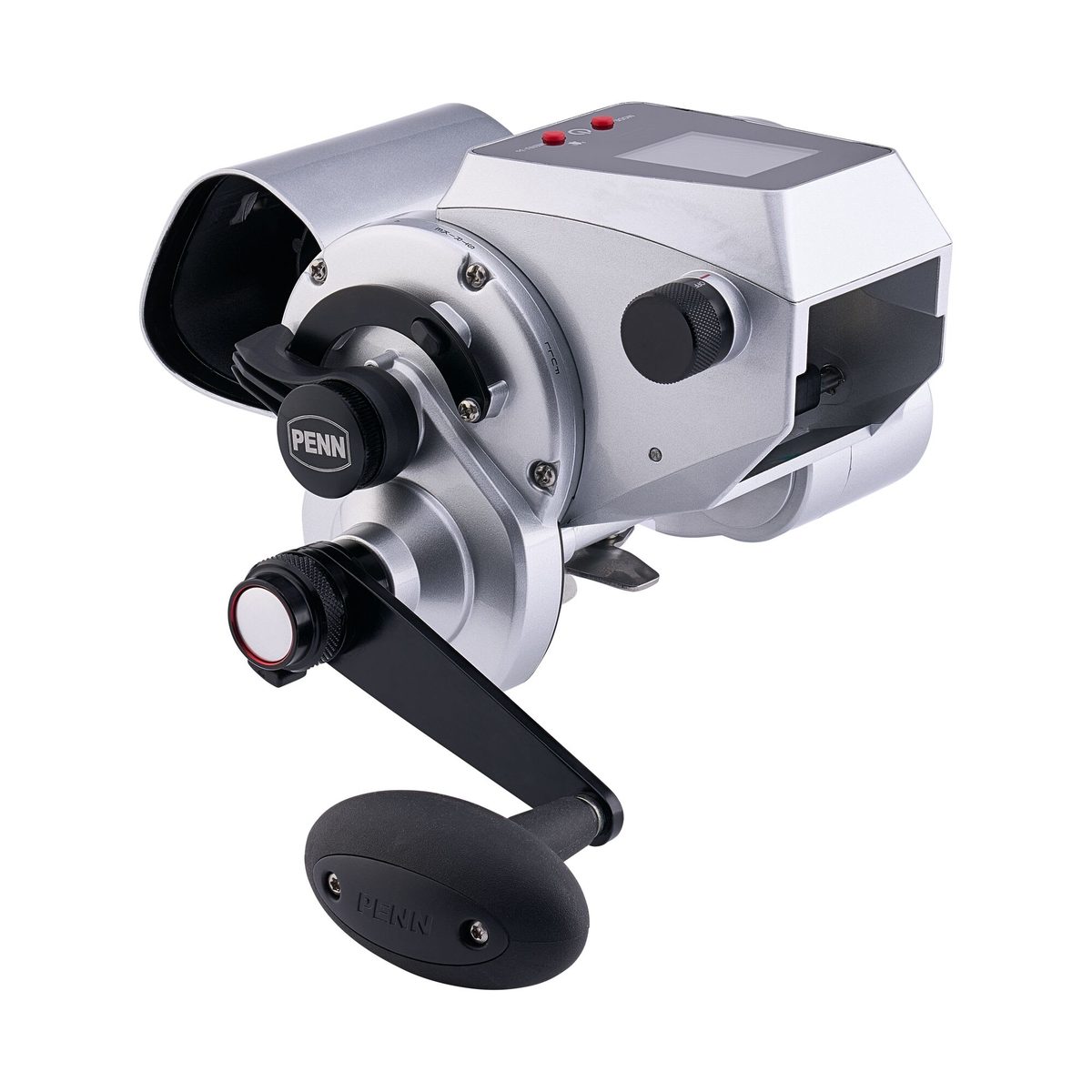
Cordless reels carry their own integrated lithium-ion battery. The PENN Fathom Electric is the best-known example: its 5Ah pack clips into the reel, so there's no battery box or cable on deck. They suit smaller boats with no wiring, and they free you to move around the cockpit. The trade-off is runtime: a pack that handles a few drops at 800 feet may not handle a full day of them.
Marine House Battery, Hubbell and Marinco ConnectPro
Corded reels draw from the boat's marine house battery through a deck plug — a Hubbell receptacle or a Marinco ConnectPro are the common connectors. They run all day because the battery bank is large, and they deliver more torque on heavy weights. The cost is that the reel stays tied to the boat.
Battery Runtime and Charging Logistics
Either way, plan the day's power before you leave the dock. Ask how many drops a full pack gives, whether the boat can charge packs underway, and whether spares are aboard. Cordless anglers should carry a second pack and a charging plan; corded anglers should check battery health and the deck connection before the first drop.
What the Motor and Drive Actually Do
Brushless Motor Versus Brushed
A brushless motor has no brushes to wear, runs cooler under load, and holds speed better at depth. Brushed motors cost less and are simpler to repair. At 1,500 feet under a heavy weight, the brushless advantage shows in heat and consistency across a long day.
Variable Speed Control and Auto-Stop
Variable speed control lets you slow the retrieve when a fish surges and speed it up over the long middle of the climb. Auto-stop halts the reel when the bait reaches a set depth or when line pays out unexpectedly, which saves line and fingers. Both are worth having on a deep drop reel.
Manual Override Handle and Level-Wind
A manual override handle lets you crank by hand if the power fails — cheap insurance on a long run offshore. A level-wind lays line evenly and keeps your counter honest, though some anglers prefer to guide braid by hand when a big fish is close.
Match Reel Class to Target and Budget
Reels sort into rough classes. Treat this as a starting map and confirm capacity and depth on the maker's own chart.
| Class | Typical depth | Power source | Best suited to |
|---|---|---|---|
| Cordless, integrated battery (PENN Fathom Electric) | 300–900 ft | Onboard lithium-ion pack | Smaller boats, no wiring |
| Mid corded (Daiwa Seaborg, Shimano Beastmaster 9000) | 600–1,500 ft | 12V house battery | Most deep drop boats |
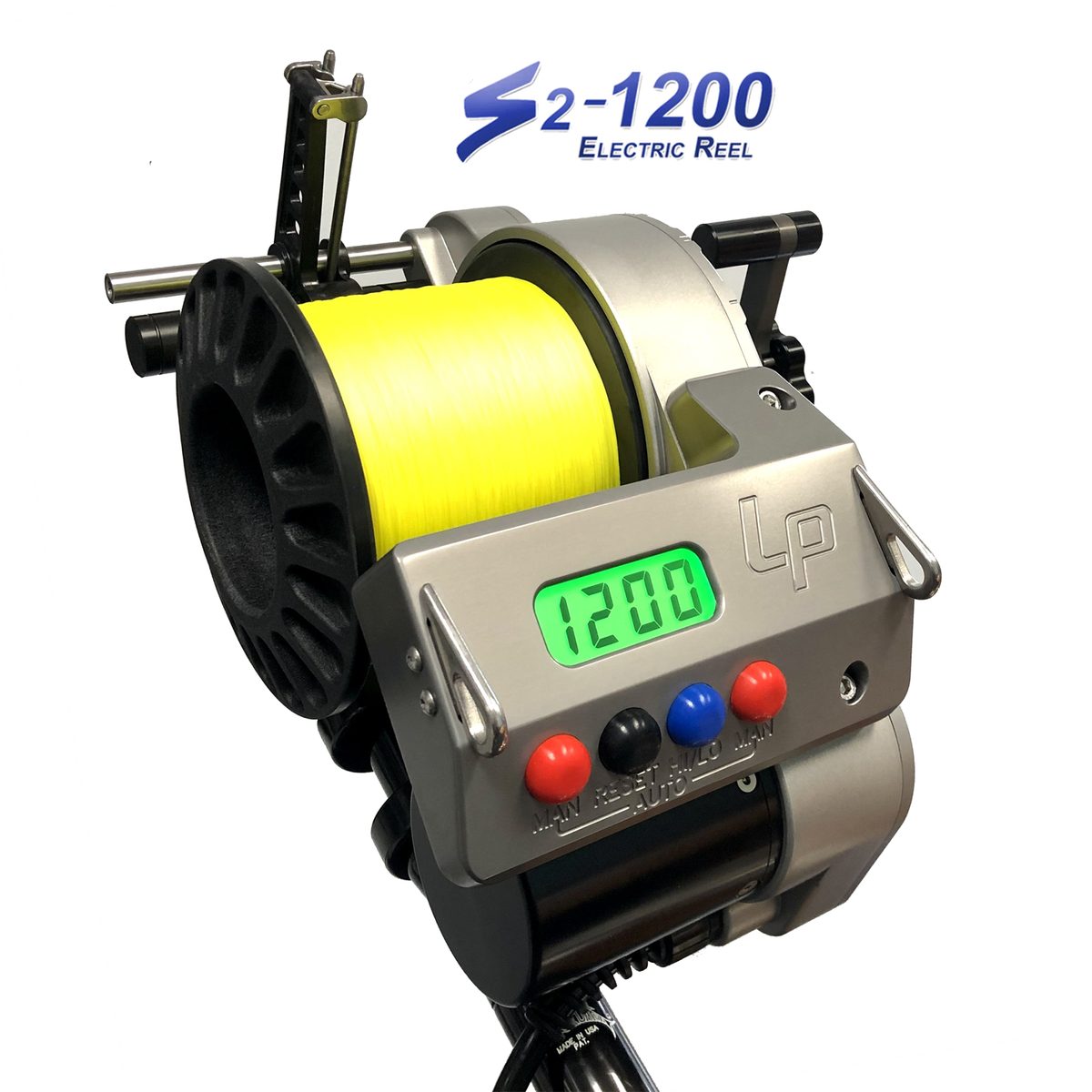
| Heavy corded (Hooker Electric, Miya Epoch, Lindgren-Pitman) | 1,200–1,800+ ft | 24V or dedicated bank | Swordfish, heavy weights |
Total Cost of Ownership and Price Tiers
The sticker price is not the whole number. Add braid to fill the spool, a spare pack on cordless models, deck wiring and plugs on corded ones, and service over the reel's life. A cheaper reel that eats counters and needs parts can cost more than a heavier one that simply runs for years.
Waterproofing, Drag and Controls That Matter
IPX6 Waterproofing
Look for an IPX6 rating at minimum. It means the housing survives heavy spray and washdown, which is normal on a deep drop boat. It does not mean the reel can be submerged.
Drag Setting for Deep Water
Set drag to the leader and the rod, not to the reel's maximum. Deep water adds line stretch and a long lever; a drag that locks up will pull hooks or break off. Smooth, measured drag beats a big number.
Digital Line Counter and Braid Spooling
A digital line counter tells you how deep the bait is and when to stop. It has to be calibrated to the line you spooled: fill the spool evenly, wind the braid on under tension, and reset the counter before the first drop. A loose or uneven spool makes the counter lie to you.
Pair the Reel to Rod, Seat and Holder
Rod Pairing
Match the rod to the weight and the reel's drag, not just the reel's size. A heavy reel on a light rod will not stop a grouper heading for rock. Short, stiff deep-drop rods with a fast tip handle heavy sinkers and give the reel something to work against.
Reel Seat and Rod-Holder Compatibility
Check the reel foot against the rod's seat and the rod-holder on the gunwale. A heavy electric reel plus a 5-pound sinker is a lot of load at the holder. Confirm the seat clamps down on the foot without shimming, and that the holder will not let the outfit rotate under strain.
Know the Rules Before You Drop
Permits, Depth Closures and Bag Limits
Rules vary by state and by federal council area, and deep water is often the most regulated zone. Check current federal regulations for your Gulf or Atlantic region, plus state permits, depth closures and bag limits before you plan a trip. A perfect reel choice is wasted on grounds you cannot fish.
Barotrauma and Descending Devices
Deep-water fish come up with barotrauma, and in many areas a descending device or venting tool is now required aboard. Rig the descending gear before your first drop, with a weight heavy enough to return the fish, and release at the depth it came from. Handling this well is part of the trip, not an afterthought.
Care, Service and Safety
Maintenance and Corrosion Schedule
Salt finds every unsealed gap, so work in this order after each trip:
- Rinse the reel and rod with fresh water and let them drain.
- Dry the reel, then check the seals, deck plug and cord ends for corrosion.
- Grease and service on the maker's schedule, and store the outfit out of the sun.
Warranty and Spare Parts
Before you buy, ask about warranty length and how fast the maker ships spares — handles, counters, packs and drive parts. A reel from a brand with no parts channel is a reel you replace, not repair.
Handling Heavy Weights Safely
A 4-pound sinker at speed is a hazard on a moving deck. Keep to a few rules:
- Keep the drop zone clear of hands and feet as the weight swings aboard.
- Never grab a moving line or the level-wind while the reel is running.
- Store sinkers secured so they cannot slide in a sea.
Ready to gear up? Browse the tackle shop for deep drop electric reels, rigs and terminal tackle built for these depths.