
Daiwa Spinning Reels: Inshore and Offshore Reviews
Research checked: October 4, 2026. Ten selected families, with five inshore and five offshore choices. These are selections for different applications, not a numerical performance ranking.
Review method: Documented features come from official Daiwa sources. Buying assessments are editorial analysis, not hands-on testing. Exact specifications vary by size and regional code. Manufacturer links are provided for verification; no Amazon affiliate links have been added.
Compare ten reels · 2025–2026 updates · Company overview · Inshore reviews · Offshore reviews · Sources
Affiliate disclosure: As an Amazon Associate, I earn from qualifying purchases.
Ten Daiwa spinning reel selections
All comparison features have separate columns. Scroll sideways on smaller screens. Weight, ratio, pickup, capacity and maximum drag are configuration-specific; verify the exact model using the official links rather than treating one size’s figures as family-wide specifications.
| Reel family | Group | Body / rotor architecture | Documented distinguishing features | Generation / status | Suggested buying role |
|---|---|---|---|---|---|
| 22 Exist | Inshore | MQ body; ZAION AIRDRIVE rotor | Full AIRDRIVE system; ATD Type-L | 2022 generation; current listing | Premium light and technical coastal lure fishing |
| 24 Certate LT | Inshore | Aluminum MQ body; ZAION AIRDRIVE rotor | MC Tough Digigear; Magsealed protection | 2024 generation; current listing | Premium everyday inshore lure outfit |
| 26 Certate HD | Inshore | Aluminum MQ body; aluminum AIRDRIVE rotor | Full AIRDRIVE system; Tough Digigear | 2026 catalog model | More forceful coastal and structure applications |
| SOL MQ | Inshore | ZAION MQ body; AIRDRIVE system | A7075 Tough Digigear; main-shaft Magsealed | 2024 introduction; current listing | Contemporary light and medium coastal lure outfit |
| 26 BG LT | Inshore | Aluminum frame and cover; AIRDRIVE rotor | Tough Digigear; ATD; braid-ready spool | 2026 catalog model | Value-focused inshore and light-surf outfit |
| 25 Saltiga Spinning | Offshore | MQ body; POWERDRIVE design | DRD drag on 18000–30000 configurations | 2025 generation; current listing | Premium demanding offshore casting and jigging |
| 26 Certate SW | Offshore | Aluminum MQ body; POWERDRIVE rotor | POWERDRIVE gear and oscillation; ATD TOUGH | 2026 catalog model | Serious offshore work below the flagship tier |
| Saltist MQ | Offshore | Aluminum MQ body; ZAION Air Rotor | Main-shaft Magsealed; Tough Digigear; ATD | Existing family; no new 2026 claim | Versatile working saltwater outfit |
| BG MQ | Offshore | Aluminum MQ body | Digigear; ATD | Existing family; no new 2026 claim | Value-focused coastal and offshore configurations |
| 26 BG SW | Offshore | Gasket-sealed aluminum frame and cover | POWERDRIVE system; ATD TOUGH carbon drag | 2026 catalog model | Value-focused heavy saltwater outfit |
Verified 2025–2026 models and important distinctions
- 25 Saltiga: POWERDRIVE design; DRD drag is specified for the larger 18000–30000 configurations, not the whole family.
- 26 Certate HD: an aluminum AIRDRIVE rotor distinguishes it from standard Certate’s ZAION rotor.
- 26 Certate SW: the newer large offshore range uses POWERDRIVE design. Smaller existing SW models should not automatically be labeled 2026.
- 26 BG LT: the inshore / light-surf model documents AIRDRIVE rotor and bail features.
- 26 BG SW: a distinct heavy saltwater model with POWERDRIVE features and ATD TOUGH. The official page disagrees internally on rotor material; verify that detail before purchase.
- Other selections: current listings remain relevant, but no unsupported 2026 redesign is claimed for Exist, standard Certate, SOL MQ, Saltist MQ or BG MQ.
Catalog year labels identify the reviewed products; they do not guarantee stock or the same size assortment in every country.
Daiwa company overview and buying guide
Understanding Daiwa’s spinning reel range
Daiwa is a Japanese fishing tackle manufacturer with a history beginning in 1958. Its spinning reel range deserves attention because it covers very different kinds of fishing: delicate presentations with small coastal lures, repeated casting around structure, conventional boat fishing with bait, and demanding offshore casting or jigging. A useful manufacturer review must explain those differences before recommending a flagship. The most expensive reel is not automatically the most appropriate reel, and a familiar series name does not identify the exact configuration on a retailer’s shelf. This directory therefore treats Daiwa as a collection of solutions to particular fishing problems. The ten selections below represent distinct families, rather than ten arbitrary sizes of the same product.
The five inshore selections are Exist, Certate LT, Certate HD, SOL MQ and BG LT. The five offshore selections are Saltiga, Certate SW, Saltist MQ, BG MQ and BG SW. These categories describe the uses emphasized in this article. They are not rigid boundaries. A larger inshore reel may be suitable for a modest boat application, while a smaller member of an offshore family may work well on a coastal rod. The decision must follow the actual reel size, line capacity, rod, lure weight, fishing position and expected sustained pressure. A series badge alone cannot establish any of those things.
Start with the fishing problem
An angler casting small soft plastics across a shallow flat has a different problem from someone retrieving a heavy jig from a deep reef. The first angler benefits from an outfit that is comfortable to cast repeatedly and easy to control during short, delicate retrieves. The second needs adequate line reserve, a suitable retrieve speed and confidence that the reel fits the intended workload. Both may fish salt water, but the phrase saltwater reel does not erase that difference. Before comparing technologies, write down the heaviest lure regularly used, the depth being fished, the line class required and the largest realistic target. Include the occasional demanding day, but do not build every light outfit around an improbable exceptional fish.
Fishing position changes the calculation. From a boat, a crew may be able to follow a running fish. From a rock ledge, breakwall or jetty, that option may disappear. Open water can allow a patient fight at moderate pressure; pylons and rough bottom may demand a more immediate response. A reel should be selected as part of the complete approach, including where fish will be hooked and how they will be landed. Even a powerful reel cannot replace an appropriate rod, safe access or a workable landing plan. For shore anglers, manageable outfit weight and safe footing may matter more than buying the largest available spool.
What the technology names mean for a buyer
Daiwa uses several named design systems. MQ identifies a body architecture that uses a substantial screw-in side plate rather than a conventional arrangement of multiple small side-plate screws. AIRDRIVE concerns the moving components and their contribution to operation. POWERDRIVE appears in the newer heavy-duty saltwater offerings reviewed here. Magsealed identifies particular protected locations, rather than a universal promise about every component. These names help identify design priorities, but they should not become a substitute for model-specific reading. This page deliberately distinguishes the features that an official product page documents from the purchasing judgments that follow from them.
Body material also needs a careful comparison. Metal and composite designs can both have a place in a well-chosen outfit. The issue is the entire construction and intended use, not a simplistic rule that one material is always better. SOL MQ, for example, should not be described as an aluminum MQ reel merely because other MQ models use aluminum. Likewise, Certate HD and standard Certate are not interchangeable simply because they share a family name. Their rotor choices are an important part of the distinction. The reviews explain where those differences are relevant without claiming laboratory measurements of flex, durability or efficiency that were not performed for this directory.
Inshore choices and the cost of refinement
The inshore range allows a buyer to decide how much refinement is worth paying for. Exist is the premium reference in this selection. Standard Certate is a useful comparison for an angler who wants a substantial everyday reel without automatically buying the flagship. Certate HD deserves a separate look where a more forceful coastal application is the priority. SOL MQ provides another route for someone who values the feel and balance of a contemporary lure outfit. BG LT is the practical value comparison. These are different reasons to buy, rather than a claim that every step upward in price produces an equally large increase in catch rate.
There is a point at which a better rod, more appropriate line or better access to fishing may produce a more obvious benefit than a more expensive reel. A reel that starts smoothly and balances well can certainly make frequent fishing more enjoyable. However, it cannot correct a lure that is too heavy for the rod or a leader that is poorly suited to the environment. An angler choosing a first serious coastal outfit should reserve money for the whole system. An experienced angler who already owns suitable rods may reasonably put a larger share of the budget into the reel’s refinement. Both decisions can be sensible.
Offshore choices and sustained workload
The offshore group has a different center of gravity. Saltiga is the premium heavy-duty reference; Certate SW is the next major comparison for demanding boat work. Saltist MQ, BG MQ and the new BG SW provide alternatives whose appeal depends on configuration, local price and service support. Offshore purchasing should emphasize the actual work being done. Repeatedly retrieving a substantial jig, casting a large surface lure and soaking a bait require different compromises. A reel selected only by maximum drag may be poorly matched to any of them. It is the usable complete outfit, rather than a single headline figure, that determines whether fishing remains controlled and practical.
Line reserve is particularly important offshore. Depth, current, the fish’s first run and the line remaining after previous damage all reduce the margin available. Capacity numbers only become meaningful when attached to a specified line. Braids with the same nominal breaking strain may differ in diameter; regional PE descriptions also require careful reading. Do not assume that a retailer’s simplified line rating reproduces the manufacturer’s specification exactly. Plan the intended line and useful reserve before selecting a spool size. If the outfit routinely depends on almost all the available capacity, that is a reason to revisit the selection rather than a sign that the reel has been chosen efficiently.
How to interpret the 2025–2026 models
The official catalog checked for this guide identifies a 2025 Saltiga spinning family and 2026 Certate HD, Certate SW, BG LT and BG SW products. Those labels should remain attached to the correct families. Existing Exist, Certate LT, SOL MQ, Saltist MQ and BG MQ listings should not be relabeled as new 2026 generations merely because this article was prepared in 2026. A current product can still be an excellent choice without being newly launched. Conversely, an updated design deserves explanation rather than an assumption that every older version instantly becomes unsuitable. A discounted older model may still suit a modest workload if its exact identity and support are clear.
Regional catalogs matter. An Australian size range, a Japanese designation and a United States retailer’s listing may not describe the same assortment. Certate SW is a particularly important example: the Australian series guide separates the newer large 2026 range from smaller existing SW models. For a buyer, the correct question is whether the exact code being offered belongs to the generation reviewed. Ask the seller to identify the model code, spool capacity and supplied handle configuration. A product photograph or the word new is not sufficient. This approach reduces accidental purchases of an older variant while still allowing deliberate purchases of one.
Comparing specifications without false precision
The table on this page places the selection’s design features and intended roles in separate columns. It does not invent a family-wide weight, ratio or drag figure. Those numbers change across sizes and sometimes across regional versions. A single figure without an exact code can make an apparently detailed comparison less trustworthy. Follow the manufacturer links when narrowing the choice to a particular reel. Record its published weight, retrieve ratio, line pickup, capacity and maximum drag together. If one field is missing, verify it with the local authorized seller rather than substituting a number from another size.
Published maximum drag is a limit reported by the manufacturer, not a universal working recommendation. Actual fishing settings must account for line, knots, leader, rod and the circumstances of the fight. Likewise, a high retrieve ratio does not by itself explain line recovery at a partly emptied spool. A buyer comparing two exact configurations should consider both ratio and pickup, then test whether the preferred speed fits the technique. A comfortable lure cadence or practical jig retrieve is more valuable than winning an isolated specification comparison. The strongest purchase case connects a number to a real need.
Ownership, servicing and the final shortlist
Saltwater ownership includes maintenance and service planning. After use, follow the manual for gentle cleaning, drying and storage. Avoid high-pressure washing and improvised internal servicing. A reel that contains specialized sealing systems may require an appropriate service route. Before importing an expensive reel, establish who will service it locally, whether the regional warranty applies and how parts are obtained. An attractive purchase price can become less attractive when the reel must travel internationally for a routine repair. The relevant ownership comparison is purchase cost plus practical support over the years the reel is expected to remain in use.
The best shortlist usually contains two or three appropriate options, not every reel Daiwa sells. Handle them on the intended rod if possible. Check grip clearance, balance, the comfort of the handle knob and whether the complete outfit suits a long session. Then compare the exact specifications and local support. The following reviews offer a structured way to reach that shortlist: a documented feature summary, an assessment of the likely application, the circumstances in which another reel makes more sense and a practical buying verdict. They are manufacturer-informed editorial reviews, not reports of personal testing, and they avoid claiming measured superiority where no independent comparison has been carried out.
Five inshore spinning reel reviews
Choose the exact configuration around the rod, line, technique and fishing position. Some families cross the inshore/offshore boundary depending on size.
22 Exist
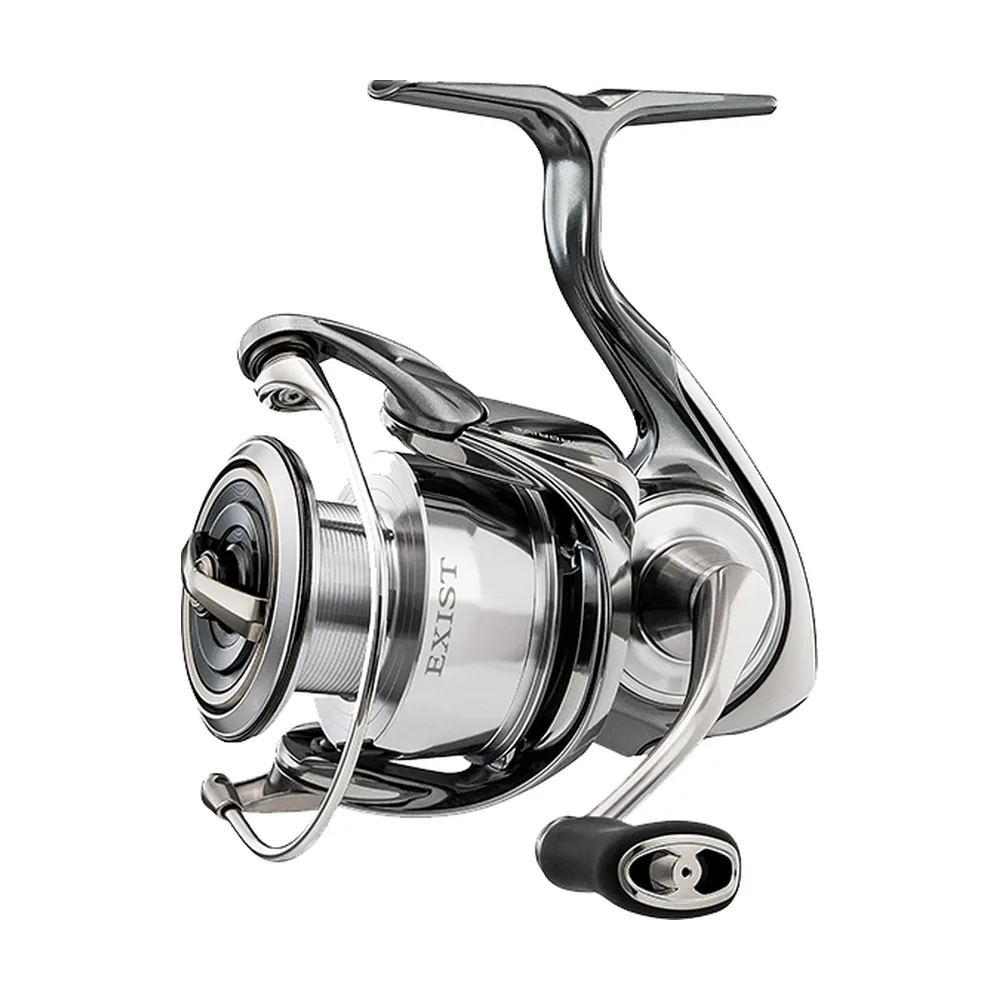
Buying role: Premium light and technical coastal lure fishing.
Read the full 22 Exist review
Position in the range and documented design
Exist is the premium inshore reference in this selection. Daiwa’s official 22 Exist showcase identifies AIRDRIVE rotor, bail, spool and shaft components, together with MQ construction, Tough Digigear, Magsealed features and ATD Type-L. This review concerns the standard 22 Exist family. It does not treat another Exist variant as the same product or describe a newly verified 2026 generation. Its attraction is an integrated approach to operation, rather than one isolated specification. Exact size and regional configuration still need to be checked before purchase.
Why a specialist might choose it
The most convincing Exist buyer is someone who spends substantial time actively working lures. On a shallow flat, a useful presentation may involve a short pull, a pause and a controlled pickup of slack before the next movement. The reel participates in each stage. An angler who values that interaction may reasonably pay for a premium design, provided the rod and line already suit the task. The argument is about comfort and control over many casts; it should not be presented as proof that Exist catches more fish than a less expensive reel.
A light coastal outfit should be evaluated as a whole. Putting a premium reel onto a poorly balanced rod does not guarantee a pleasing result. Try the preferred configuration on the actual rod, with the handle fitted on the correct side. Hold the outfit as it will be held while fishing, rather than merely lifting it from a display counter. The feel of the combined equipment is the useful purchasing test. A heavier rod or a substantial lure may change the preferred reel size even when the original intention was to build an especially light setup.
Where the premium makes sense
For frequent lure fishing in relatively controlled environments, Exist deserves a place on the shortlist. That can include open flats, estuary edges and protected coastal water where line selection and technique matter more than brute stopping pressure. Small, repeated corrections to a lure presentation are a different job from hauling a heavy fish away from rough structure. Exist’s place here is the former. Larger configurations should still be judged individually; the family’s flagship status does not transform every size into an offshore tool.
An occasional angler should question whether the premium is useful. A person fishing a few weekends each year may prefer to buy a suitable Certate or BG LT and retain money for a second rod or better access to the water. An angler who fishes several sessions a week may evaluate the same price differently. Both positions are reasonable. The question is whether the reel solves an identifiable preference in the user’s normal fishing, rather than whether owning the flagship is desirable in the abstract.
Limits and alternatives
Exist should not be used as the default answer to heavy coastal structure fishing merely because it is expensive. Certate HD warrants attention when the emphasis shifts toward a more forceful inshore application. Certate SW or Saltiga becomes the appropriate family comparison when capacity and sustained offshore workload dominate. Those are changes in the job, not statements that Exist is a weak reel. Choosing the correct category is more important than defending a favorite badge against a different category’s requirements.
The standard Certate comparison is especially useful. List the exact differences that matter to the proposed outfit, then decide which ones justify the premium. If the answer is simply that Exist is the highest-priced choice, the purchase case is incomplete. If the answer identifies repeated lure work, a preferred outfit balance, the intended size and a workable service route, the case is much stronger. A premium reel can be a satisfying long-term purchase, but its benefit should be described in terms the owner can actually recognize while fishing.
Editorial verdict
Choose Exist when refinement in a frequently used coastal lure outfit is the central priority and the budget comfortably supports it. Choose a different family when the workload, line reserve or ownership cost points elsewhere. This is a premium specialist recommendation within the inshore selection, rather than a universal winner. The most important final check is the exact reel on the intended rod; a favorable family-level review cannot replace that fit assessment.
A concrete outfit-planning exercise
Consider a buyer working small soft plastics over open estuary flats, with occasional longer runs into unobstructed water. Start with a written description of that normal session: the lure or bait, fishing position, expected depth and the fish that are genuinely likely to be encountered. Next, identify the rod already owned or the rod being considered. Record its intended line and casting range. Only then narrow 22 Exist to the relevant configuration. This order keeps the reel connected to an actual job and avoids buying a model whose main attraction is a name, release year or isolated maximum figure.
For this application, check the diameter of the intended braid, the leader used for the local fish and enough reserve for a realistic run. Ask the seller to identify the complete model code and current regional specification. Keep weight, ratio, pickup, capacity and maximum drag attached to that code rather than to the family name. If the specification is incomplete, leave the field unresolved until it can be verified. A number borrowed from a neighboring size can make the comparison look thorough while producing the wrong decision. The table above therefore favors accurate design distinctions over numerical precision unsupported by an exact configuration.
Comparing the assembled outfit
Place the selected reel on the intended rod where possible. Check balance in the normal fishing grip, comfortable handle clearance and access to the drag control. Consider whether the outfit will remain manageable through repeated casts or retrieves. Compare standard Certate for a less expensive premium comparison, or Certate HD when the coastal workload becomes more forceful. Make that comparison around the same fishing problem, not merely the same nominal spool number. If one option feels better, identify the practical reason before assigning it greater value; comfort, required reserve and technique can explain a preference more clearly than prestige.
Care and purchasing checks
Read the supplied manual before cleaning or adjusting the reel. After saltwater exposure, follow the recommended exterior cleaning and drying routine and avoid forceful washing. Establish a local route for internal service before experimenting with specialized components. Ask whether the regional warranty covers the exact purchase, especially if importing. For a reel intended for regular use, access to competent support belongs in the value calculation alongside the initial cost. These are ownership considerations, rather than a claim that any particular failure was observed in testing.
No Amazon listing or affiliate button has been invented for this review. When adding one later, match the link to the exact generation and configuration discussed, and check that the retailer description agrees with the manufacturer reference. A superficially similar family name is not enough. If the listing is for a different size or older generation, label that difference clearly. This keeps a useful buying guide connected to an accurate purchase choice instead of sending the reader to an unspecified substitute.
Official product reference: Daiwa 22 Exist
24 Certate LT
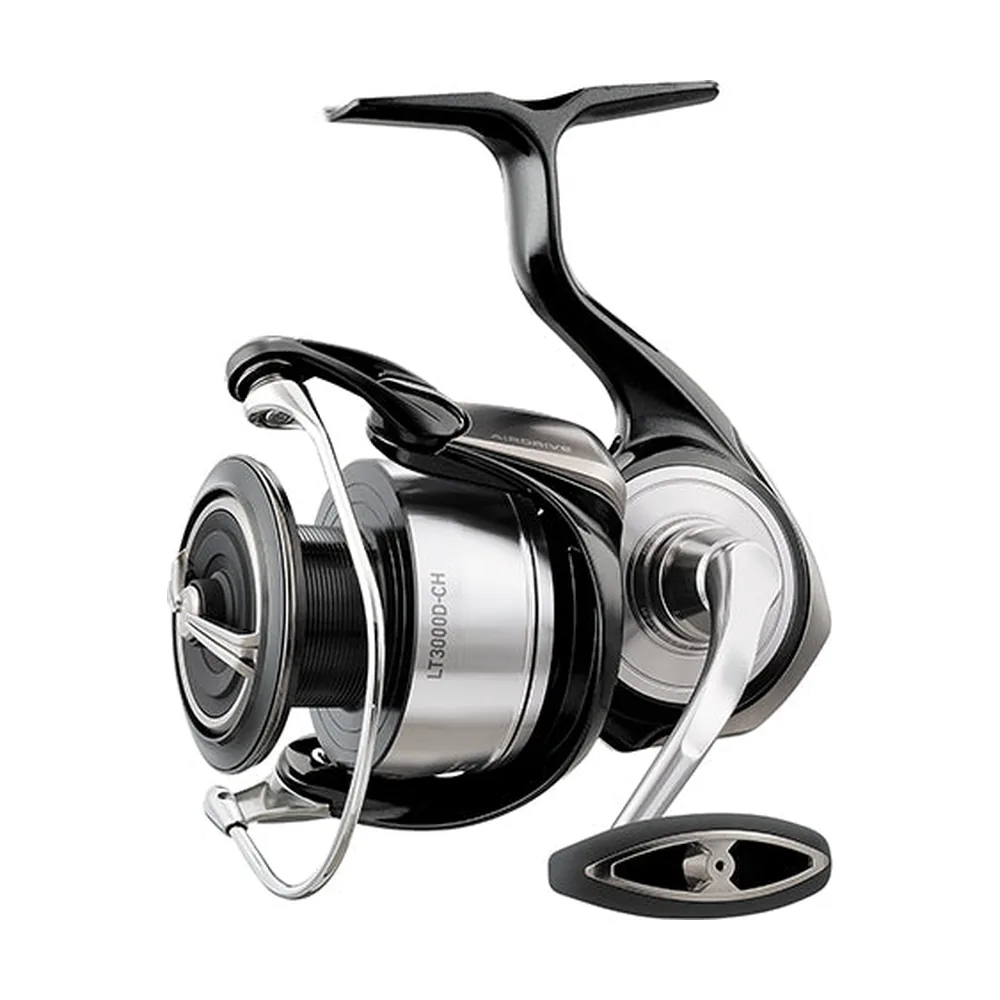
Buying role: Premium everyday inshore lure outfit.
Read the full 24 Certate LT review
Position in the range and documented design
The 24 Certate is the premium everyday inshore comparison in this guide. Daiwa documents an aluminum MQ body, ZAION AIRDRIVE rotor, AIRDRIVE bail, MC Tough Digigear and Magsealed protection at specified locations. It belongs to the 2024 generation, even though the current catalog remains relevant in 2026. That distinction matters when sellers place a new badge beside a listing. A newly stocked reel and a newly redesigned family are different things. The exact size remains the basis for any numerical specification comparison.
A balanced buying proposition
Certate’s strongest purchase argument is a broad range of ordinary coastal lure work. An owner may fish a shallow estuary one day, cast along a harbor edge another day and work a more substantial lure from a boat on the next outing. A single carefully chosen reel can make that practical without being selected around the most extreme conceivable encounter. Standard Certate belongs on the shortlist for that sort of versatile outfit. It is particularly relevant when the buyer values a premium reel but does not have a clear reason to pay the additional flagship premium.
The aluminum body and the particular rotor construction should be read as parts of the design, not as a promise that any Certate will fit any saltwater task. The useful question is how the selected configuration fits the intended rod and fishing pressure. A compact reel can be a pleasing partner for repeated lure casting. A larger spool may provide useful line reserve or better alignment with the rod. Neither choice should be made solely to maximize or minimize size. The outfit has to work comfortably while still retaining a realistic margin for the fish being targeted.
Technique and retrieve selection
A coastal lure angler should compare exact retrieve options around the technique. Fast pickup can help recover slack after a lure movement or keep a moving fish under control. A slower presentation may instead benefit from a cadence that is easier to maintain. The ratio is only part of that discussion; line pickup and spool fill also matter. Before ordering online, imagine the normal retrieve in enough detail to identify whether speed or a more measured rhythm is the primary preference. There is no single best ratio for every lure that might be carried in a tackle box.
Fishing around light structure adds another layer. The leader and rod need to suit the abrasion risk and the way pressure will be applied. Buying a premium reel does not mean the line can be chosen only for casting distance. The outfit should be planned around both the presentation and the likely fight. Certate can be a strong starting point for that plan, but the actual boundary between a comfortable inshore outfit and a heavier coastal system depends on configuration. That boundary should not be established by the series name alone.
Standard Certate versus Certate HD
The new Certate HD should be considered separately. Its aluminum AIRDRIVE rotor is a documented distinction from the standard model’s ZAION rotor. This does not establish that one design is universally superior. It establishes that Daiwa offers a different construction emphasis for a different purchasing priority. A buyer who regularly chooses more forceful coastal techniques has a reason to compare HD closely. A buyer whose main objective is a well-balanced everyday lure outfit should not assume the HD badge is an obligatory upgrade.
Exist is the other useful comparison. If both reels suit the actual task, the decision becomes a question of desired refinement, price and fit rather than capability inferred from prestige. Handle both on the intended rod if that is possible. If the difference does not address a recognizable preference, the less expensive suitable choice can be the better ownership decision. The saved budget can support a dedicated heavier outfit rather than forcing one premium reel to cover every coastal application.
Editorial verdict
Standard Certate is a sensible premium shortlist candidate for an angler who wants a frequently used inshore reel with a broad practical role. Confirm the generation, size and local service arrangements. Do not purchase it as an offshore substitute solely because its design is sophisticated. Its value is strongest when the chosen configuration matches an ordinary coastal workload particularly well, leaving the larger saltwater families to address a different job.
A concrete outfit-planning exercise
Consider a buyer alternating between estuary soft plastics, harbor-edge hard baits and moderate coastal lure fishing. Start with a written description of that normal session: the lure or bait, fishing position, expected depth and the fish that are genuinely likely to be encountered. Next, identify the rod already owned or the rod being considered. Record its intended line and casting range. Only then narrow 24 Certate LT to the relevant configuration. This order keeps the reel connected to an actual job and avoids buying a model whose main attraction is a name, release year or isolated maximum figure.
For this application, check a braid and leader combination that preserves casting control while allowing for light structure and realistic reserve. Ask the seller to identify the complete model code and current regional specification. Keep weight, ratio, pickup, capacity and maximum drag attached to that code rather than to the family name. If the specification is incomplete, leave the field unresolved until it can be verified. A number borrowed from a neighboring size can make the comparison look thorough while producing the wrong decision. The table above therefore favors accurate design distinctions over numerical precision unsupported by an exact configuration.
Comparing the assembled outfit
Place the selected reel on the intended rod where possible. Check balance in the normal fishing grip, comfortable handle clearance and access to the drag control. Consider whether the outfit will remain manageable through repeated casts or retrieves. Compare Exist when premium refinement is the overriding preference, or Certate HD when a stronger coastal workload defines the outfit. Make that comparison around the same fishing problem, not merely the same nominal spool number. If one option feels better, identify the practical reason before assigning it greater value; comfort, required reserve and technique can explain a preference more clearly than prestige.
Care and purchasing checks
Read the supplied manual before cleaning or adjusting the reel. After saltwater exposure, follow the recommended exterior cleaning and drying routine and avoid forceful washing. Establish a local route for internal service before experimenting with specialized components. Ask whether the regional warranty covers the exact purchase, especially if importing. For a reel intended for regular use, access to competent support belongs in the value calculation alongside the initial cost. These are ownership considerations, rather than a claim that any particular failure was observed in testing.
No Amazon listing or affiliate button has been invented for this review. When adding one later, match the link to the exact generation and configuration discussed, and check that the retailer description agrees with the manufacturer reference. A superficially similar family name is not enough. If the listing is for a different size or older generation, label that difference clearly. This keeps a useful buying guide connected to an accurate purchase choice instead of sending the reader to an unspecified substitute.
Official product reference: Daiwa 24 Certate LT
26 Certate HD

Buying role: More forceful coastal and structure applications.
Read the full 26 Certate HD review
Position in the range and documented design
Certate HD is one of the verified 2026 additions relevant to this directory. Daiwa identifies an aluminum MQ body and aluminum AIRDRIVE rotor, with AIRDRIVE shaft, spool and bail components, Tough Digigear and Magsealed protection at the main shaft and line roller. The rotor material separates it from standard Certate. The Australian series information places HD in the 3000–5000 class, but regional assortments should be checked individually. It is not simply a new name for every Certate size.
The reason to consider HD
HD is a logical comparison when a coastal outfit moves beyond delicate lure work toward stronger fish, larger presentations or more consequential structure. Think of an angler working the edge of a channel, fishing close to a bridge or targeting a coastal predator that must be directed away from cover. In such situations, a reel selected solely for the lightest possible outfit may not represent the owner’s actual priority. Certate HD offers a documented change in construction emphasis that deserves examination in this context. That is a reason to compare it, not an unmeasured claim that it will tolerate any amount of abuse.
The distinction becomes clearer when considering how the outfit will be used. If most sessions involve a small lure over open ground, standard Certate may remain the more natural reference. If larger lures and more forceful fights occur routinely, HD may better match the intended identity of the outfit. The important word is routinely. An occasional difficult fish should be considered, but it should not automatically force every otherwise light coastal setup into a heavier compromise. Build around the expected work and maintain an appropriate margin.
Configuration matters more than the badge
The regional HD range includes configurations whose codes indicate different spool and retrieve choices. A buyer should not order the first 5000 listing encountered and assume it is equivalent to every other 5000 HD. Examine the complete code, intended line and published pickup. Deep-spool capacity can be useful, but extra capacity has little benefit if the intended outfit does not need it. Likewise, a fast retrieve may be welcome for particular lures while being less comfortable for another repeated technique. A good selection connects those choices to the fishing rather than treating them as an automatic hierarchy.
For a coastal rod intended to cover stronger fish, balance deserves attention. Hold the assembled outfit in the position used during the retrieve. Check whether the foregrip and handle dimensions remain comfortable when pressure is applied. This assessment cannot prove internal durability, but it can reveal a mismatch that specifications miss. A reel that looks ideal on paper may feel awkward on a particular rod. Since the justification for HD is purposeful use, the assembled outfit should make that purpose evident.
Protection and service expectations
Magsealed protection should be understood at the documented locations. It does not mean the reel can be treated as maintenance-free or submerged deliberately. Coastal structure fishing often produces spray, grit and incidental contact that make sensible handling important. Follow the official maintenance instructions and arrange specialist service when needed. Avoid dismantling specialized sealing components merely because conventional reels can sometimes be serviced at home. Before buying an imported HD, establish whether the local service network supports the exact model and which warranty terms apply.
This ownership question is especially relevant to an angler who fishes hard and often. Downtime during the main fishing season may matter more than a small initial saving. A locally supported configuration can therefore have a stronger practical purchase case than a cheaper imported variant, even if the technical specification appears attractive. The decision should include how a problem will be handled, rather than assuming that the reel’s premium construction removes the possibility of wear or service needs.
Where another family makes more sense
Certate HD remains an inshore and coastal choice in this selection. A dedicated offshore system requiring large line reserve and sustained heavy work belongs in a comparison with Certate SW or Saltiga. Moving into those families changes the outfit’s role; it is not an admission that HD is unsuitable for salt water. Conversely, light presentations may not justify HD’s particular construction emphasis. Match the range to the expected workload instead of interpreting the letters as a universal upgrade instruction.
Editorial verdict
Certate HD deserves a place on a shortlist for a deliberately stronger coastal lure outfit. Its verified 2026 design difference gives the buyer something concrete to examine against standard Certate. The final choice should follow the exact code, rod balance and fishing environment. Buy it because those details fit the intended application, rather than because a new release is assumed to make an older, properly matched reel obsolete.
A concrete outfit-planning exercise
Consider a buyer casting larger coastal lures along channel edges or near structure where a fish needs early directional control. Start with a written description of that normal session: the lure or bait, fishing position, expected depth and the fish that are genuinely likely to be encountered. Next, identify the rod already owned or the rod being considered. Record its intended line and casting range. Only then narrow 26 Certate HD to the relevant configuration. This order keeps the reel connected to an actual job and avoids buying a model whose main attraction is a name, release year or isolated maximum figure.
For this application, check the intended braid diameter, abrasion-conscious leader and reserve required by the shore or boat position. Ask the seller to identify the complete model code and current regional specification. Keep weight, ratio, pickup, capacity and maximum drag attached to that code rather than to the family name. If the specification is incomplete, leave the field unresolved until it can be verified. A number borrowed from a neighboring size can make the comparison look thorough while producing the wrong decision. The table above therefore favors accurate design distinctions over numerical precision unsupported by an exact configuration.
Comparing the assembled outfit
Place the selected reel on the intended rod where possible. Check balance in the normal fishing grip, comfortable handle clearance and access to the drag control. Consider whether the outfit will remain manageable through repeated casts or retrieves. Compare standard Certate for a lighter everyday lure emphasis, or Certate SW for a dedicated offshore capacity and workload requirement. Make that comparison around the same fishing problem, not merely the same nominal spool number. If one option feels better, identify the practical reason before assigning it greater value; comfort, required reserve and technique can explain a preference more clearly than prestige.
Care and purchasing checks
Read the supplied manual before cleaning or adjusting the reel. After saltwater exposure, follow the recommended exterior cleaning and drying routine and avoid forceful washing. Establish a local route for internal service before experimenting with specialized components. Ask whether the regional warranty covers the exact purchase, especially if importing. For a reel intended for regular use, access to competent support belongs in the value calculation alongside the initial cost. These are ownership considerations, rather than a claim that any particular failure was observed in testing.
No Amazon listing or affiliate button has been invented for this review. When adding one later, match the link to the exact generation and configuration discussed, and check that the retailer description agrees with the manufacturer reference. A superficially similar family name is not enough. If the listing is for a different size or older generation, label that difference clearly. This keeps a useful buying guide connected to an accurate purchase choice instead of sending the reader to an unspecified substitute.
Official product reference: Daiwa 26 Certate HD
SOL MQ
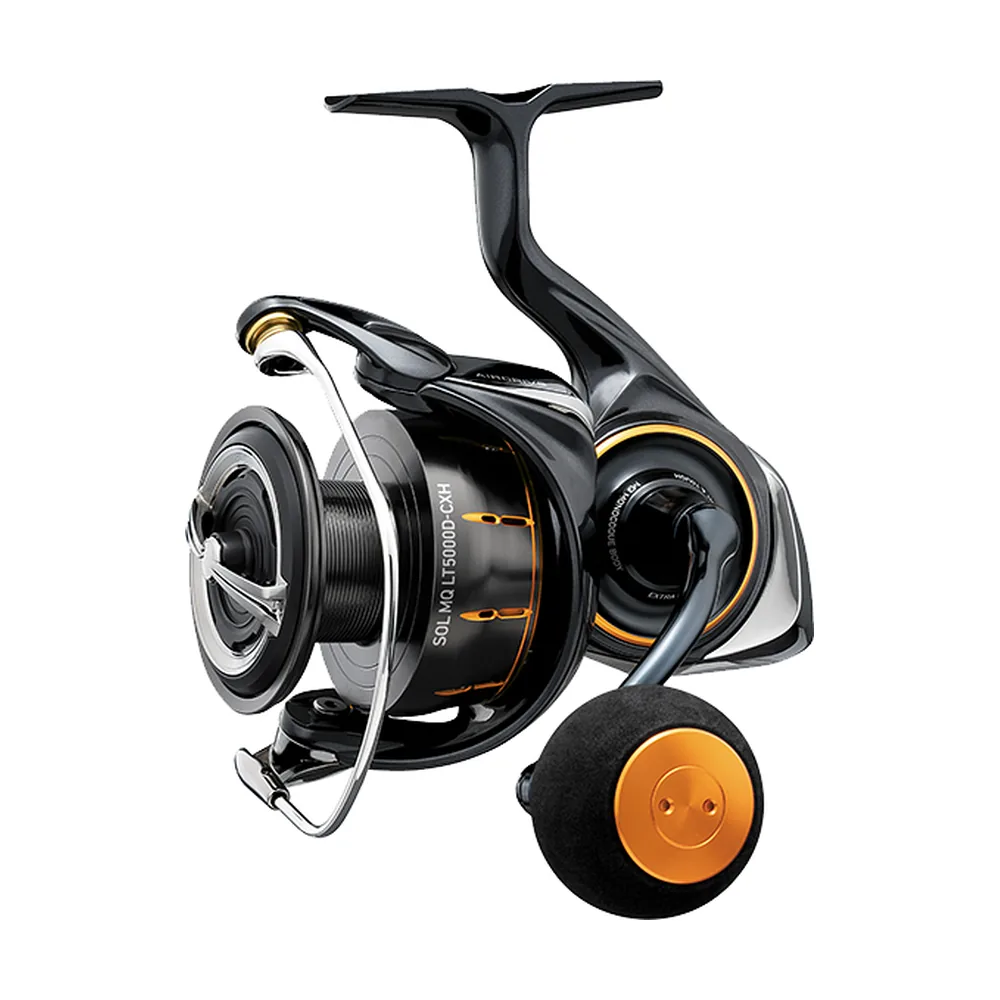
Buying role: Contemporary light and medium coastal lure outfit.
Read the full SOL MQ review
Position in the range and documented design
SOL MQ is a distinct route through Daiwa’s inshore range. The official listing identifies a ZAION MQ body, the AIRDRIVE system, A7075 aluminum Tough Digigear, main-shaft Magsealed protection, a supported ATD drag arrangement and an EVA handle knob. The listed range spans 1000–5000 sizes. Its product listing relates to the 2024 introduction; this guide does not invent a 2026 redesign. In particular, the body should not be called aluminum merely because other MQ reels use that material.
A purposeful lure-fishing choice
SOL MQ is worth comparing when the angler is building a contemporary coastal lure outfit and wants to consider something other than the familiar Certate-versus-Exist decision. The useful question is whether its particular configuration suits the rod, lure range and desired feel. A small reel for delicate work and a larger configuration for broader coastal applications do not have identical purchasing cases. The breadth of the family is an invitation to choose carefully, rather than evidence that any one SOL MQ can perform every job.
On a light outfit, repeated casting comfort can shape the whole session. The reel does not have to be purchased solely for impressive capacity if the normal fishing takes place in relatively open, shallow water. The rod’s casting range, actual lure resistance and likely fish still set the limits. A buyer should handle the selected SOL MQ on the intended rod and compare the resulting balance with a suitable standard Certate or BG LT. That direct fit comparison is more useful than forming an opinion from the body material alone.
Reading the construction correctly
ZAION MQ should be treated as its own construction choice. A simplistic metal-versus-composite argument misses the fact that reel bodies, gears, rotors and bearings operate as a system. The material name does not independently establish the amount of movement under a particular load, and this review contains no laboratory flex measurement. What it does establish is that SOL MQ differs from the aluminum MQ models elsewhere in the guide. Buyers who specifically want an aluminum-bodied coastal reel should recognize that distinction before ordering.
Similarly, AIRDRIVE does not imply that every model using the name feels identical. Size, rod, line and the chosen retrieve affect the fishing experience. A buyer should compare the relevant exact configurations, then decide whether the selected outfit suits the technique. This keeps the discussion practical. A reel designed around contemporary moving components can be appealing, but the appeal should connect to actual lure handling rather than a checklist of branded terms that the owner will never relate to the fishing.
Size selection across the family
The smallest SOL MQ configurations deserve to be considered as specialized light-tackle tools. They should not be recommended casually for larger coastal targets merely because the family also contains larger sizes. The larger end of the range provides a different comparison for an angler using more substantial line and lures. Before selecting, establish whether the outfit is meant for careful light presentation or a broader coastal role. Trying to cover both with one compromise may leave the owner dissatisfied even when the reel itself is well suited to its intended configuration.
A useful shop test is to compare two plausible sizes on the same rod. Check hand position, the location of the outfit’s balance and whether the reel’s dimensions interfere with the way the rod is held. Then examine the actual line capacity, rather than assuming size labels are a universal standard across manufacturers. This approach avoids buying an overly small reel for appearance or an unnecessarily large reel for a vague sense of security. The right margin is the one that addresses the real fish and fishing position.
Alternatives and ownership considerations
Standard Certate is the obvious aluminum-bodied premium comparison; Exist is the flagship comparison where budget permits. BG LT gives the value-oriented buyer a reason to reconsider how much of the total outfit budget should go into the reel. None of those comparisons can be settled responsibly without choosing equivalent applications and appropriate sizes. A SOL MQ selected for small lure work should not be compared with an offshore model simply because both are spinning reels. The differences would mostly reflect the jobs they were designed to address.
For saltwater use, establish a suitable cleaning and service routine. Main-shaft Magsealed protection is a documented feature, not an invitation to skip care. Keep the exterior clean according to the manual and use appropriate support for internal work. The EVA knob should also be evaluated for the owner’s grip and normal fishing conditions. Comfort preferences vary, so a handle style that suits one person should not be presented as universally better.
Editorial verdict
SOL MQ is a worthwhile inshore shortlist candidate for anglers who want a purposeful modern lure outfit and understand its ZAION MQ construction. Choose the exact size around presentation, line reserve and rod balance. It is especially useful as an alternative to buying by familiar series prestige alone. The purchase is strongest when the chosen configuration has a clear role, with heavier coastal and offshore requirements assigned to an appropriate separate outfit.
A concrete outfit-planning exercise
Consider a buyer building a light coastal lure outfit for repeated casts along estuary banks and protected shoreline. Start with a written description of that normal session: the lure or bait, fishing position, expected depth and the fish that are genuinely likely to be encountered. Next, identify the rod already owned or the rod being considered. Record its intended line and casting range. Only then narrow SOL MQ to the relevant configuration. This order keeps the reel connected to an actual job and avoids buying a model whose main attraction is a name, release year or isolated maximum figure.
For this application, check a line diameter appropriate to the casting task, a leader suited to the bottom and realistic reserve for the target species. Ask the seller to identify the complete model code and current regional specification. Keep weight, ratio, pickup, capacity and maximum drag attached to that code rather than to the family name. If the specification is incomplete, leave the field unresolved until it can be verified. A number borrowed from a neighboring size can make the comparison look thorough while producing the wrong decision. The table above therefore favors accurate design distinctions over numerical precision unsupported by an exact configuration.
Comparing the assembled outfit
Place the selected reel on the intended rod where possible. Check balance in the normal fishing grip, comfortable handle clearance and access to the drag control. Consider whether the outfit will remain manageable through repeated casts or retrieves. Compare standard Certate where aluminum-body construction is a specific preference, or BG LT where the total outfit budget takes priority. Make that comparison around the same fishing problem, not merely the same nominal spool number. If one option feels better, identify the practical reason before assigning it greater value; comfort, required reserve and technique can explain a preference more clearly than prestige.
Care and purchasing checks
Read the supplied manual before cleaning or adjusting the reel. After saltwater exposure, follow the recommended exterior cleaning and drying routine and avoid forceful washing. Establish a local route for internal service before experimenting with specialized components. Ask whether the regional warranty covers the exact purchase, especially if importing. For a reel intended for regular use, access to competent support belongs in the value calculation alongside the initial cost. These are ownership considerations, rather than a claim that any particular failure was observed in testing.
No Amazon listing or affiliate button has been invented for this review. When adding one later, match the link to the exact generation and configuration discussed, and check that the retailer description agrees with the manufacturer reference. A superficially similar family name is not enough. If the listing is for a different size or older generation, label that difference clearly. This keeps a useful buying guide connected to an accurate purchase choice instead of sending the reader to an unspecified substitute.
Official product reference: Daiwa SOL MQ
26 BG LT
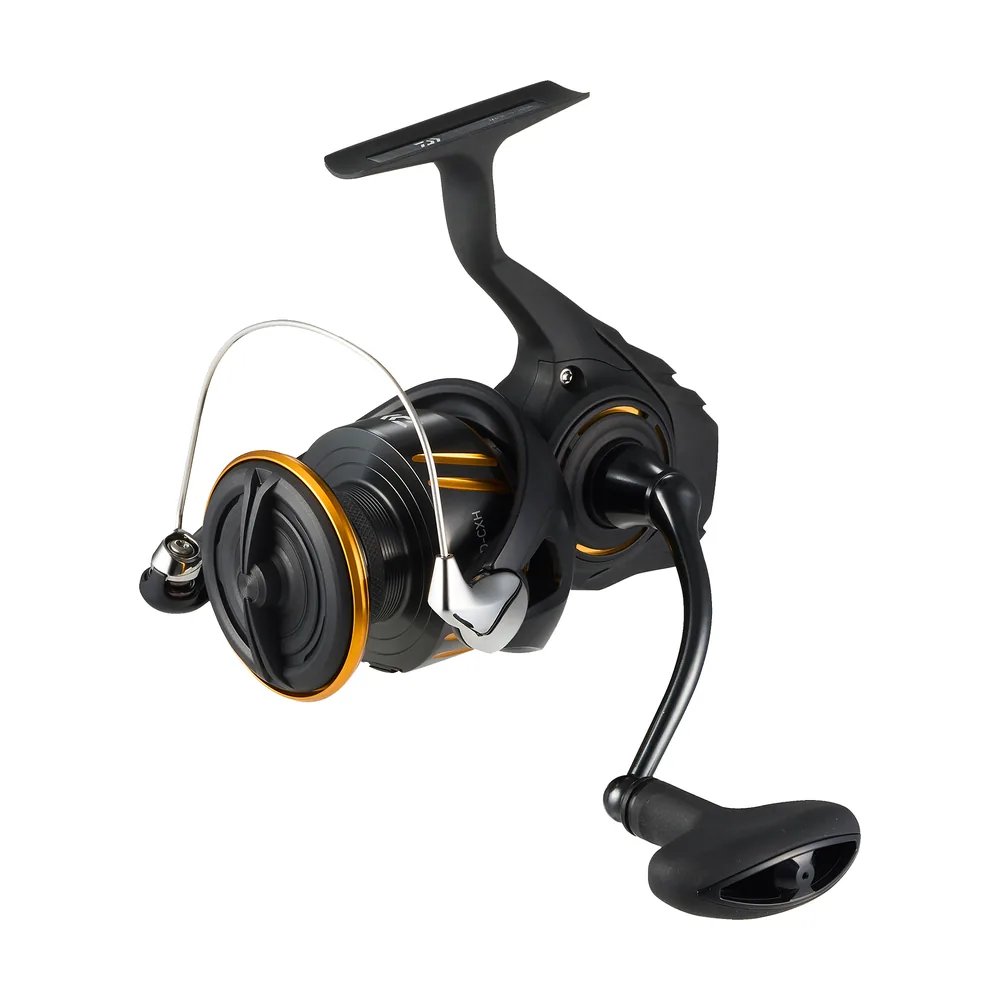
Buying role: Value-focused inshore and light-surf outfit.
Read the full 26 BG LT review
Position in the range and documented design
The 2026 BG LT is the practical value-oriented inshore selection. Daiwa’s product overview identifies an aluminum frame and body cover, AIRDRIVE rotor and solid-wire AIRDRIVE bail, Tough Digigear, ATD, corrosion-resistant ball bearings, a braid-ready spool and a direct screw-in handle with a soft-touch T-shaped knob. It is presented for inshore and light-surf fishing. This is a distinct listing from BG MQ and the new BG SW. This guide does not add undocumented MQ construction or Magsealed protection to its feature list.
The argument for buying around the whole outfit
BG LT has a convincing role when the owner needs a useful coastal outfit without putting most of the budget into a premium reel. The saved money can improve the rod, provide suitable line and leaders or fund a second setup for a different technique. That is a practical purchasing advantage, even though it cannot be expressed as a reel specification. A balanced outfit that suits the normal fishing may be more productive and comfortable than a premium reel attached to compromises everywhere else.
For a first serious inshore setup, start by defining the actual lure range and fish. There is no benefit in choosing a very small configuration merely to make the outfit look compact if the fishing requires more reserve. Equally, a larger reel can become tiring on a light rod without providing a useful advantage. BG LT should be examined in the relevant size class alongside suitable alternatives, with price treated as one part of the decision. A value choice works best when it remains purposeful, rather than simply being the lowest-priced item available.
Understanding the 2026 update
The new listing gives the buyer documented components to compare with older BG offers. It does not establish that every discounted reel carrying BG in its name is the same product. Before purchasing, confirm that the seller’s code and photographs correspond to BG LT, not an older conventional BG, BG MQ or BG SW. Mixed retailer listings can make this confusing. Request the exact product identity in writing when the description is unclear, and use the official page as the reference for the intended generation.
AIRDRIVE rotor and bail features should be read at the level actually documented. A buyer should not infer that every AIRDRIVE component used on Exist is present. Similarly, an aluminum frame does not establish a particular sealing system. Keeping these distinctions clear prevents an affordable reel from being praised for features it does not claim. The purchase case is already meaningful without that exaggeration: a documented contemporary inshore design at the value-focused end of this ten-family selection.
Practical inshore and light-surf use
In an estuary or sheltered coastal setting, an appropriately selected BG LT can be considered for ordinary lure fishing where a specialist premium reel is not necessary. Light surf adds exposure to spray and sand, so handling and care become especially important. The word surf should not be read as a promise that the reel can be laid in wet sand or repeatedly submerged. Keep it clear of abrasive contamination and follow the maintenance instructions. If routine immersion is part of the actual fishing, that is a different purchasing problem requiring an explicitly appropriate design and care plan.
A T-shaped knob may suit the way some anglers grip the handle, but comfort should be checked directly. Imagine the reel being used for repeated casting and pickup rather than one brief turn at the counter. Gloves, cold hands and the angle of the rod can change that preference. The direct screw-in handle is a documented feature; it does not eliminate the need to inspect fit and normal wear. Practical details like grip and rod balance often decide whether an affordable outfit becomes the one the owner reaches for most frequently.
Where to spend more, and where not to
Standard Certate or SOL MQ deserves a comparison if the buyer fishes often and has a specific reason to want the premium design. Exist becomes relevant where refinement is the main priority. None of these upgrades should be justified solely by hoping that a higher price will solve an undefined problem. Identify the issue first: outfit feel, configuration availability, a preferred construction or a service arrangement. If BG LT fits the ordinary task and the alternatives do not address a recognizable limitation, retaining the budget may be the sensible decision.
Conversely, dedicated offshore work should be compared with BG SW, BG MQ, Saltist MQ, Certate SW or Saltiga as appropriate. Buying the largest plausible inshore reel without examining the offshore families may miss a more suitable construction and capacity combination. That is a category choice, not a judgment that the value inshore reel is inadequate for its documented role.
Editorial verdict
BG LT is the starting value comparison for an inshore or light-surf outfit in this guide. Confirm the 2026 identity, choose the size deliberately and budget for suitable line and a compatible rod. Its appeal is strongest when it helps complete a sensible fishing system. It should be recommended on that basis, without borrowing premium sealing or body features from another Daiwa family.
A concrete outfit-planning exercise
Consider a buyer assembling an affordable coastal outfit for estuary lures and occasional light-surf sessions. Start with a written description of that normal session: the lure or bait, fishing position, expected depth and the fish that are genuinely likely to be encountered. Next, identify the rod already owned or the rod being considered. Record its intended line and casting range. Only then narrow 26 BG LT to the relevant configuration. This order keeps the reel connected to an actual job and avoids buying a model whose main attraction is a name, release year or isolated maximum figure.
For this application, check a casting-friendly braid diameter, enough reserve for shore-based runs and a leader appropriate to the local abrasion risk. Ask the seller to identify the complete model code and current regional specification. Keep weight, ratio, pickup, capacity and maximum drag attached to that code rather than to the family name. If the specification is incomplete, leave the field unresolved until it can be verified. A number borrowed from a neighboring size can make the comparison look thorough while producing the wrong decision. The table above therefore favors accurate design distinctions over numerical precision unsupported by an exact configuration.
Comparing the assembled outfit
Place the selected reel on the intended rod where possible. Check balance in the normal fishing grip, comfortable handle clearance and access to the drag control. Consider whether the outfit will remain manageable through repeated casts or retrieves. Compare SOL MQ or standard Certate for a purposeful premium inshore comparison, or BG SW for a distinctly heavier saltwater role. Make that comparison around the same fishing problem, not merely the same nominal spool number. If one option feels better, identify the practical reason before assigning it greater value; comfort, required reserve and technique can explain a preference more clearly than prestige.
Care and purchasing checks
Read the supplied manual before cleaning or adjusting the reel. After saltwater exposure, follow the recommended exterior cleaning and drying routine and avoid forceful washing. Establish a local route for internal service before experimenting with specialized components. Ask whether the regional warranty covers the exact purchase, especially if importing. For a reel intended for regular use, access to competent support belongs in the value calculation alongside the initial cost. These are ownership considerations, rather than a claim that any particular failure was observed in testing.
No Amazon listing or affiliate button has been invented for this review. When adding one later, match the link to the exact generation and configuration discussed, and check that the retailer description agrees with the manufacturer reference. A superficially similar family name is not enough. If the listing is for a different size or older generation, label that difference clearly. This keeps a useful buying guide connected to an accurate purchase choice instead of sending the reader to an unspecified substitute.
Official product reference: Daiwa 26 BG LT
Five offshore spinning reel reviews
Choose the exact configuration around the rod, line, technique and fishing position. Some families cross the inshore/offshore boundary depending on size.
25 Saltiga Spinning
Buying role: Premium demanding offshore casting and jigging.
Read the full 25 Saltiga Spinning review
Position in the range and documented design
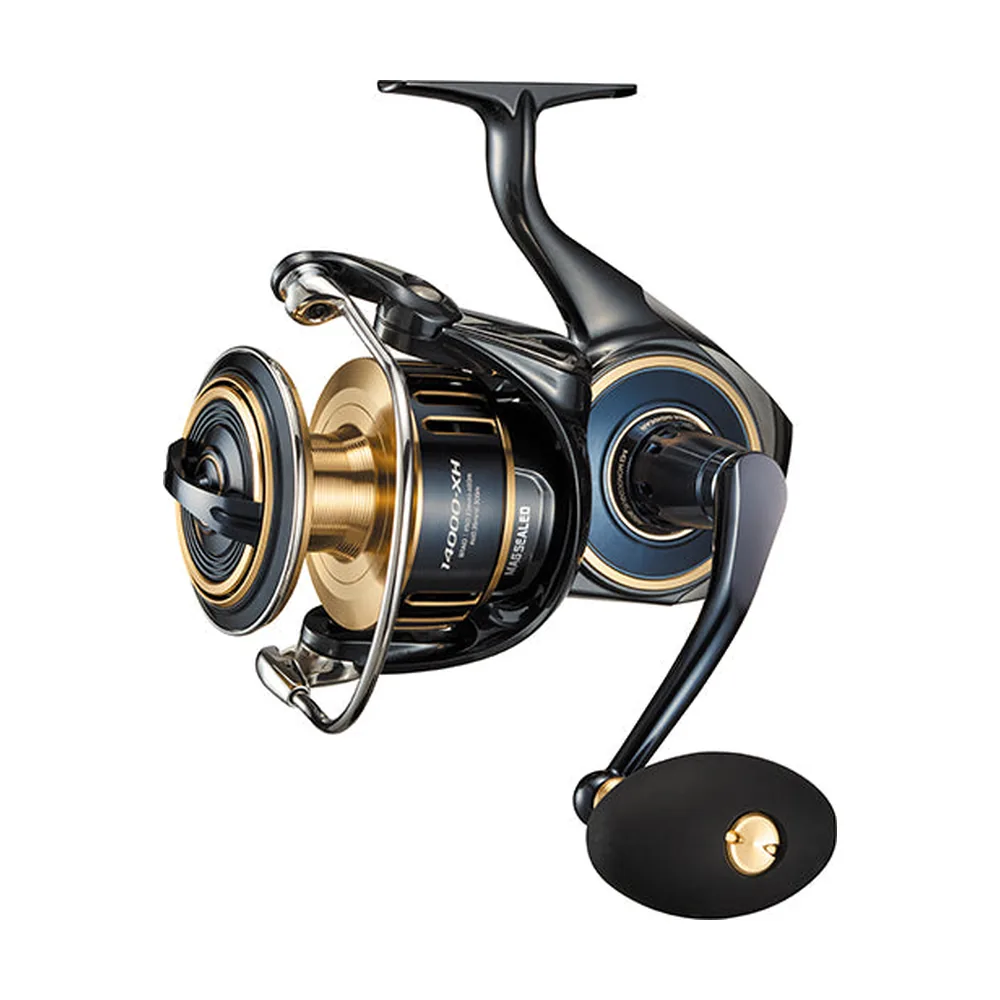
The 2025 Saltiga spinning family is the premium offshore reference here. Daiwa identifies POWERDRIVE components, including its gear, rotor and roller-assisted oscillation architecture, together with MQ construction, LC-ABS SW spool features and Magsealed protection. The DRD roller drag is specified for the 18000–30000 configurations; it should not be assigned to every size. That size-dependent distinction is more useful than a generic claim that all Saltigas share identical drag hardware. Confirm the exact regional configuration before comparing numbers or placing an order.
What justifies a flagship offshore reel
Saltiga’s most convincing buyer has a clearly defined demanding offshore application. Repeated casting of substantial lures, purposeful jigging and encounters with strong fish can make the reel a central part of the system. In those situations, paying for the flagship may be reasonable if the rod, line and crew’s approach also fit the task. The purchase case should connect to actual fishing frequency and pressure. An occasional modest boat outing does not automatically justify buying the largest or most expensive configuration available.
The cost of a premium reel should also be evaluated against the complete offshore setup. Suitable rods, line, leaders, hooks and safe landing equipment remain essential. A flagship cannot correct a rod that is poorly matched to the lure or a line reserve that is inadequate for the depth. Before investing, define the technique and target carefully enough to decide what the reel is supposed to accomplish. This makes it possible to compare a relevant Saltiga configuration with Certate SW rather than treating the premium badge as the end of the selection process.
Casting and jigging are different jobs
An offshore casting outfit may prioritize practical pickup, lure control and the capacity needed for the fish being targeted. A jigging outfit may instead place more emphasis on a comfortable repeated retrieve at depth and the way the rod and reel work together. Those differences can change the preferred configuration even within Saltiga. A fast retrieve is not automatically the best answer to every offshore technique. Compare published pickup and ratio for the exact models, then relate them to the normal method rather than choosing by whichever number appears highest.
Lure resistance also matters. A large surface lure, a subsurface lure and a heavy jig can impose different work during the retrieve before a fish is ever hooked. A reel that suits the fight but feels poorly matched to hours of repeated lure work may not be the best choice. Handle the complete outfit and, where possible, discuss the actual technique with a competent local seller. That consultation is useful when it identifies a specific configuration and workload, rather than simply recommending the largest reel that fits the budget.
Reading DRD and other features carefully
The larger configurations’ DRD system is a genuine documented reason to examine them, but it does not mean every buyer needs that size class. If the intended fish, line and rod do not require a large offshore outfit, purchasing one purely to obtain a particular feature can introduce unnecessary weight and inconvenience. The feature should serve the job. Likewise, a high published maximum drag is not the pressure that every rod or knot can safely tolerate. Set up the actual system and understand its limits before fishing it aggressively.
This directory does not claim measured drag consistency, thermal performance or internal durability from personal testing. Such claims would require suitable evidence. The editorial recommendation instead recognizes the documented construction and asks whether the demanding offshore application makes the investment rational. That distinction lets a buyer value a sophisticated reel without relying on exaggerated performance promises. A flagship can be an excellent tool while still requiring correct size selection, sensible pressure and appropriate maintenance.
Ownership and regional support
Saltiga ownership deserves a service plan before purchase. Check the applicable regional warranty and support terms; United States program details should not be assumed to apply worldwide. Ask what routine service includes, which parts are excluded and how turnaround is handled. For an angler whose main fishing involves travel or a short seasonal window, a service delay can have a meaningful cost. Local support may therefore be an important part of the decision between an authorized regional reel and a lower-priced import.
Regular offshore use also makes careful exterior cleaning, drying and storage worthwhile. Follow the manual rather than using forceful washing or attempting unsupported internal work. Specialized protection systems should be serviced through an appropriate route. Premium construction is a reason to preserve the reel properly, not a reason to assume it cannot be harmed. A spare outfit may be practical for important trips regardless of which flagship is purchased.
Editorial verdict
Saltiga is the premium choice to examine for a deliberately demanding offshore setup. Choose its exact configuration around technique, line reserve and the rod’s intended pressure. Compare Certate SW before deciding that the flagship premium is necessary. Buy Saltiga because the actual workload, preferred features and ownership plan justify it, while preserving the crucial distinction between the DRD-equipped larger models and the rest of the family.
A concrete outfit-planning exercise
Consider a buyer planning a dedicated offshore casting or jigging outfit for strong fish and repeated substantial lure work. Start with a written description of that normal session: the lure or bait, fishing position, expected depth and the fish that are genuinely likely to be encountered. Next, identify the rod already owned or the rod being considered. Record its intended line and casting range. Only then narrow 25 Saltiga Spinning to the relevant configuration. This order keeps the reel connected to an actual job and avoids buying a model whose main attraction is a name, release year or isolated maximum figure.
For this application, check the line diameter and reserve required by depth, current and a realistic first run, together with the rod and leader limits. Ask the seller to identify the complete model code and current regional specification. Keep weight, ratio, pickup, capacity and maximum drag attached to that code rather than to the family name. If the specification is incomplete, leave the field unresolved until it can be verified. A number borrowed from a neighboring size can make the comparison look thorough while producing the wrong decision. The table above therefore favors accurate design distinctions over numerical precision unsupported by an exact configuration.
Comparing the assembled outfit
Place the selected reel on the intended rod where possible. Check balance in the normal fishing grip, comfortable handle clearance and access to the drag control. Consider whether the outfit will remain manageable through repeated casts or retrieves. Compare Certate SW as the main premium comparison, or a suitable Saltist MQ configuration where the workload and budget allow it. Make that comparison around the same fishing problem, not merely the same nominal spool number. If one option feels better, identify the practical reason before assigning it greater value; comfort, required reserve and technique can explain a preference more clearly than prestige.
Care and purchasing checks
Read the supplied manual before cleaning or adjusting the reel. After saltwater exposure, follow the recommended exterior cleaning and drying routine and avoid forceful washing. Establish a local route for internal service before experimenting with specialized components. Ask whether the regional warranty covers the exact purchase, especially if importing. For a reel intended for regular use, access to competent support belongs in the value calculation alongside the initial cost. These are ownership considerations, rather than a claim that any particular failure was observed in testing.
No Amazon listing or affiliate button has been invented for this review. When adding one later, match the link to the exact generation and configuration discussed, and check that the retailer description agrees with the manufacturer reference. A superficially similar family name is not enough. If the listing is for a different size or older generation, label that difference clearly. This keeps a useful buying guide connected to an accurate purchase choice instead of sending the reader to an unspecified substitute.
Official product reference: Daiwa 25 Saltiga Spinning
26 Certate SW
Buying role: Serious offshore work below the flagship tier.
Read the full 26 Certate SW review
Position in the range and documented design
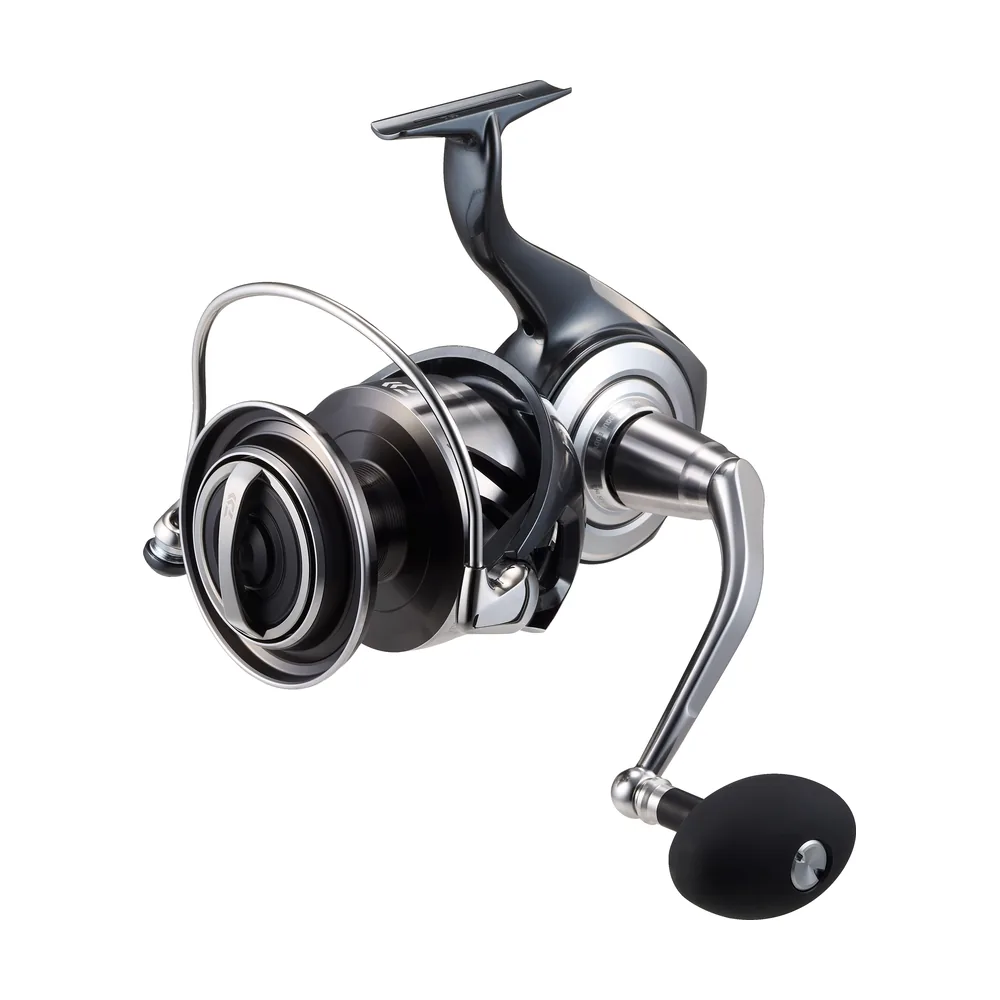
The 2026 Certate SW is a major offshore update in this guide. Daiwa documents an aluminum MQ body, POWERDRIVE gear, rotor and oscillation features, Magsealed protection at the main shaft and line roller, corrosion-resistant bearings and ATD TOUGH drag. The Australian series guide identifies the new large range as 8000, 10000, 14000, 18000 and 20000, while listing smaller existing SW models separately. Do not assume that any Certate SW offered by a retailer belongs to this 2026 generation.
Its place between premium and practical choices
Certate SW is the logical comparison for an angler who wants a serious dedicated offshore reel while questioning whether the Saltiga premium is necessary. The distinction should be investigated at the exact configuration level, not settled by a broad statement that one family is nearly the same as another. The meaningful question is whether the chosen Certate SW supports the intended technique and ownership priorities at a price the buyer considers sensible. It deserves a place on that shortlist because the current design is explicitly focused on heavy saltwater work.
An offshore outfit that will be used frequently presents a stronger buying case than a reel purchased for a vague possibility of large fish. Define whether the primary method is casting, jigging or bait fishing and how often substantial load will be involved. This helps identify which size and retrieve should be compared. A reel can be technically impressive yet poorly matched if its capacity is excessive, its pickup unsuitable or its dimensions uncomfortable on the selected rod. Purposeful configuration is still the foundation of the purchase.
What the 2026 distinction changes for shopping
The shared Certate name creates a real risk of comparing unrelated products. Standard Certate LT, Certate HD and Certate SW have different design emphases. Within SW, an older smaller configuration and the new large 2026 family also need to be identified correctly. A shopper should ask for the complete code and verify it against the appropriate regional manufacturer page. A retailer title that simply says Certate SW is too broad to establish the generation, particularly when older stock remains available alongside new listings.
An older model can still be a deliberate purchase if it suits the job and has suitable support. The problem is accidental substitution, not the existence of previous products. If the seller offers a discount, establish what has actually been discounted before comparing value. Then consider whether the current POWERDRIVE design addresses a requirement relevant to the intended workload. This prevents the purchase from becoming a choice between an unspecified old reel and a vaguely described new one.
Offshore technique and configuration
For casting, useful pickup and comfortable lure control deserve attention alongside capacity. An angler may need to recover slack or maintain contact with a moving fish, but the most aggressive retrieve option is not automatically ideal for every lure. For jigging, repeated work at depth can make cadence and the complete rod-and-reel relationship especially important. Compare the exact published ratio and pickup, then connect them to the normal technique. The family-level recommendation cannot determine the answer without that context.
The line reserve plan should account for depth, current and the likely fight. A spool selected only from its nominal size label may leave less practical reserve than expected once the intended braid is fitted. Manufacturers’ capacity descriptions depend on specified line, and different braids can pack differently. Ask the seller to verify the intended combination rather than assuming all lines of a given strength behave identically. A sufficiently large spool is a practical requirement; an unnecessarily large outfit can still be an uncomfortable compromise.
Comparisons that clarify the decision
Saltiga is the upper comparison when the buyer wants the flagship and can justify its configuration-specific features. Saltist MQ and BG MQ provide alternatives if the application is less demanding or the budget has to cover several outfits. BG SW is another current heavy saltwater option worth checking rather than overlooking because it carries the BG name. The right comparison uses equivalent intended workloads and suitable sizes, with local price and support considered together. A price gap alone does not prove an equally large difference in usefulness.
Avoid turning Certate SW into a promise of unlimited pressure. The rod, line, knots and landing circumstances determine the usable system. Neither the POWERDRIVE branding nor ATD TOUGH changes that principle. This review does not claim measured superiority over the competing families. Its recommendation follows the documented offshore design and the sensible place it occupies for buyers who want a serious reel while retaining a reasoned comparison with the flagship.
Editorial verdict
The new Certate SW is a strong shortlist candidate for a dedicated offshore setup where construction, line reserve and repeated workload justify moving beyond a general coastal reel. Confirm the 2026 large-model identity and compare the exact configuration with Saltiga. Its appeal is a purposeful premium offshore purchase, rather than a way to attach an offshore badge to an otherwise undefined outfit.
A concrete outfit-planning exercise
Consider a buyer equipping a regular offshore boat outfit for substantial casting lures or repeated jig retrieves at depth. Start with a written description of that normal session: the lure or bait, fishing position, expected depth and the fish that are genuinely likely to be encountered. Next, identify the rod already owned or the rod being considered. Record its intended line and casting range. Only then narrow 26 Certate SW to the relevant configuration. This order keeps the reel connected to an actual job and avoids buying a model whose main attraction is a name, release year or isolated maximum figure.
For this application, check capacity after accounting for fishing depth and current, plus a realistic run reserve at the intended braid diameter. Ask the seller to identify the complete model code and current regional specification. Keep weight, ratio, pickup, capacity and maximum drag attached to that code rather than to the family name. If the specification is incomplete, leave the field unresolved until it can be verified. A number borrowed from a neighboring size can make the comparison look thorough while producing the wrong decision. The table above therefore favors accurate design distinctions over numerical precision unsupported by an exact configuration.
Comparing the assembled outfit
Place the selected reel on the intended rod where possible. Check balance in the normal fishing grip, comfortable handle clearance and access to the drag control. Consider whether the outfit will remain manageable through repeated casts or retrieves. Compare Saltiga for a justified flagship purchase, or Saltist MQ and BG SW where a suitable configuration meets the workload at lower total cost. Make that comparison around the same fishing problem, not merely the same nominal spool number. If one option feels better, identify the practical reason before assigning it greater value; comfort, required reserve and technique can explain a preference more clearly than prestige.
Care and purchasing checks
Read the supplied manual before cleaning or adjusting the reel. After saltwater exposure, follow the recommended exterior cleaning and drying routine and avoid forceful washing. Establish a local route for internal service before experimenting with specialized components. Ask whether the regional warranty covers the exact purchase, especially if importing. For a reel intended for regular use, access to competent support belongs in the value calculation alongside the initial cost. These are ownership considerations, rather than a claim that any particular failure was observed in testing.
No Amazon listing or affiliate button has been invented for this review. When adding one later, match the link to the exact generation and configuration discussed, and check that the retailer description agrees with the manufacturer reference. A superficially similar family name is not enough. If the listing is for a different size or older generation, label that difference clearly. This keeps a useful buying guide connected to an accurate purchase choice instead of sending the reader to an unspecified substitute.
Official product reference: Daiwa 26 Certate SW
Saltist MQ
Buying role: Versatile working saltwater outfit.
Read the full Saltist MQ review
Position in the range and documented design
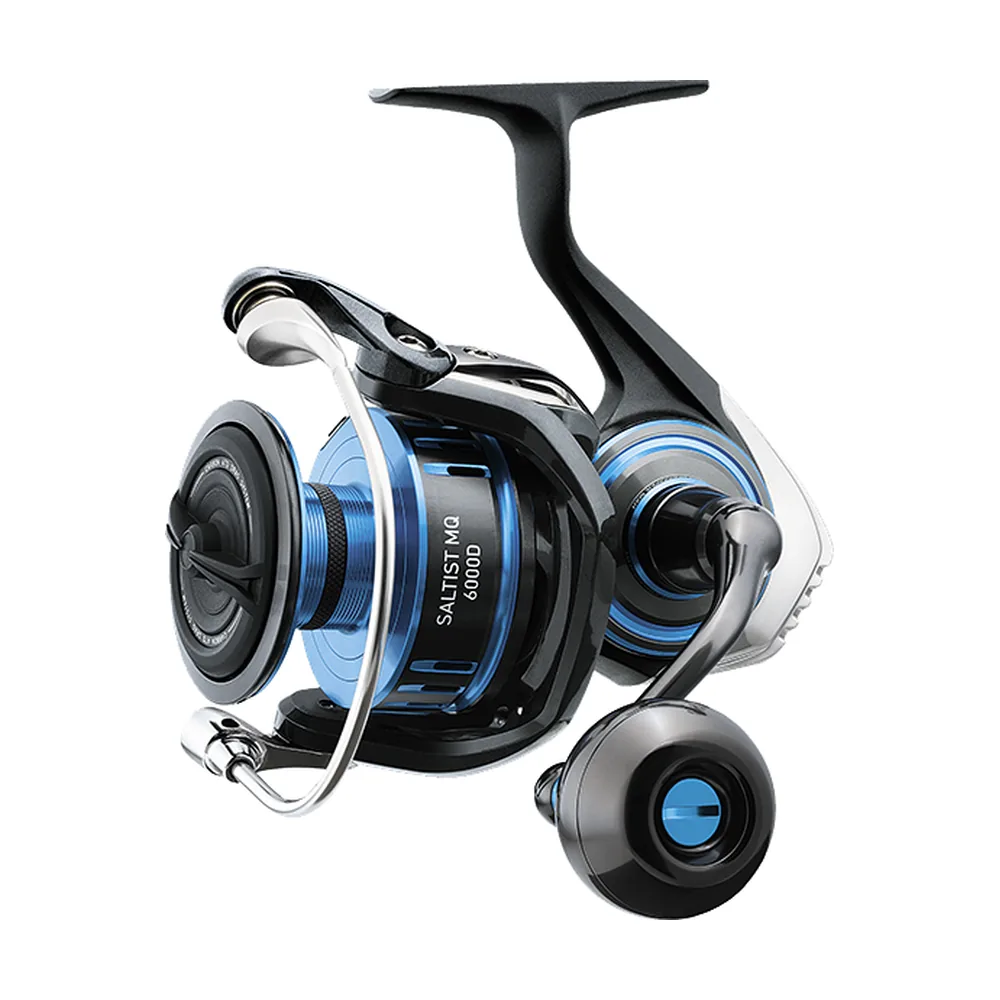
Saltist MQ is the practical working saltwater comparison in this selection. Daiwa documents aluminum MQ construction, a ZAION Air Rotor, Air Bail, Tough Digigear, ATD and main-shaft Magsealed protection. The listed family spans 2500–20000 sizes. Air Rotor should not automatically be renamed AIRDRIVE, and main-shaft protection should not be expanded into an undocumented line-roller claim. This is an existing current family, not a newly verified 2026 redesign. Its broad size range makes exact configuration especially important.
The attraction of a working outfit
Saltist MQ has a persuasive role for an angler who wants a dedicated saltwater reel without immediately stepping into the flagship price tier. A suitable configuration may cover regular boat fishing, coastal casting or a particular offshore technique. The correct application changes substantially across the family. A small model used near an estuary is not the same purchasing proposition as a large spool selected for a boat. The offshore grouping in this article concerns the larger working applications; it does not imply that every size should be treated as a heavy offshore reel.
For someone building several outfits, Saltist MQ deserves a realistic cost comparison. One premium reel may not be as useful as two well-matched working setups for genuinely different techniques. A dedicated casting rod and a dedicated jigging rod can make the day easier than constantly reconfiguring a single expensive outfit. That does not diminish the appeal of premium equipment. It recognizes that practical coverage, spare capacity and a suitable backup may be more important to a particular owner than flagship refinement on one rod.
Size and technique define the recommendation
The first step is to identify the normal work. Moderate offshore lure casting, deeper jigging and general bait fishing each place different demands on capacity and retrieve. Choose a plausible Saltist MQ size, then compare its exact figures with the neighboring options. Do not assume that the 2500–20000 range means every technique has an equally appropriate configuration. The useful selection is the one that combines sufficient reserve with a manageable outfit and a retrieve suited to the method.
Heavy lures also need an appropriate rod. A reel can provide capacity while the rod remains too light for the casting load or repeated retrieve. Consider how the outfit will be held during a long session and how fish will be fought from the actual boat or shoreline. A comfortable handle grip and sensible balance can matter greatly over time. These factors are not replacements for the specification, but they prevent a technically suitable reel from becoming an awkward part of the assembled outfit.
Distinguishing Saltist MQ from BG MQ
Saltist MQ and BG MQ should be compared as related purchasing alternatives with distinct documented features. Saltist’s official description identifies main-shaft Magsealed protection. BG MQ should not be credited with that feature solely because the body architecture is also MQ. Whether the difference justifies a local price gap depends on the buyer’s use, exposure and service preferences. The comparison should be explicit about what is documented rather than describing one reel as generically sealed and the other as generically unsealed.
The existing Saltist design should also be distinguished from newer POWERDRIVE families. A current catalog listing does not automatically acquire every feature from the newest Daiwa release. If the buyer’s normal work points toward Certate SW or the new BG SW, compare those families directly. If a suitable Saltist MQ already meets the intended need, a newer design does not necessarily provide a benefit large enough to change the purchase. Establish the required application before deciding how much value to assign to the release year.
Support and realistic expectations
A working saltwater outfit should be easy to maintain and service in the owner’s region. Before purchasing, find out whether the exact configuration is supported locally and what replacement or spare-spool options exist. This matters particularly when the reel will be used regularly rather than saved for occasional trips. A favorable initial price may be less useful if ordinary support becomes difficult. The appropriate buying comparison includes downtime and service access, not only the price shown beside the reel.
Protection features do not justify rough cleaning or deliberate immersion. Follow the manufacturer’s instructions for washing and storage, and leave specialized internal work to suitable service support. Check the reel after exposure to grit or a significant accidental dunking rather than assuming the family name ensures there can be no problem. Sensible care is a normal ownership requirement for a working reel, not evidence that it was wrongly selected.
Editorial verdict
Saltist MQ is a worthwhile practical saltwater choice when an exact configuration fits the fishing and local support is good. Compare BG MQ for value and Certate SW for a higher-tier dedicated offshore option. Its strongest purchase case is a useful, frequently used working outfit with clear requirements. Keep the feature description accurate, especially the distinction between Air Rotor and AIRDRIVE and the specific location of Magsealed protection.
A concrete outfit-planning exercise
Consider a buyer building a regular boat outfit that balances saltwater capability, technique-specific sizing and the need for more than one setup. Start with a written description of that normal session: the lure or bait, fishing position, expected depth and the fish that are genuinely likely to be encountered. Next, identify the rod already owned or the rod being considered. Record its intended line and casting range. Only then narrow Saltist MQ to the relevant configuration. This order keeps the reel connected to an actual job and avoids buying a model whose main attraction is a name, release year or isolated maximum figure.
For this application, check the braid diameter and reserve needed for the selected technique, with leader and rod limits established before setting pressure. Ask the seller to identify the complete model code and current regional specification. Keep weight, ratio, pickup, capacity and maximum drag attached to that code rather than to the family name. If the specification is incomplete, leave the field unresolved until it can be verified. A number borrowed from a neighboring size can make the comparison look thorough while producing the wrong decision. The table above therefore favors accurate design distinctions over numerical precision unsupported by an exact configuration.
Comparing the assembled outfit
Place the selected reel on the intended rod where possible. Check balance in the normal fishing grip, comfortable handle clearance and access to the drag control. Consider whether the outfit will remain manageable through repeated casts or retrieves. Compare BG MQ for a value comparison, or Certate SW when repeated demanding offshore work justifies a higher-tier design. Make that comparison around the same fishing problem, not merely the same nominal spool number. If one option feels better, identify the practical reason before assigning it greater value; comfort, required reserve and technique can explain a preference more clearly than prestige.
Care and purchasing checks
Read the supplied manual before cleaning or adjusting the reel. After saltwater exposure, follow the recommended exterior cleaning and drying routine and avoid forceful washing. Establish a local route for internal service before experimenting with specialized components. Ask whether the regional warranty covers the exact purchase, especially if importing. For a reel intended for regular use, access to competent support belongs in the value calculation alongside the initial cost. These are ownership considerations, rather than a claim that any particular failure was observed in testing.
No Amazon listing or affiliate button has been invented for this review. When adding one later, match the link to the exact generation and configuration discussed, and check that the retailer description agrees with the manufacturer reference. A superficially similar family name is not enough. If the listing is for a different size or older generation, label that difference clearly. This keeps a useful buying guide connected to an accurate purchase choice instead of sending the reader to an unspecified substitute.
Official product reference: Daiwa Saltist MQ
BG MQ
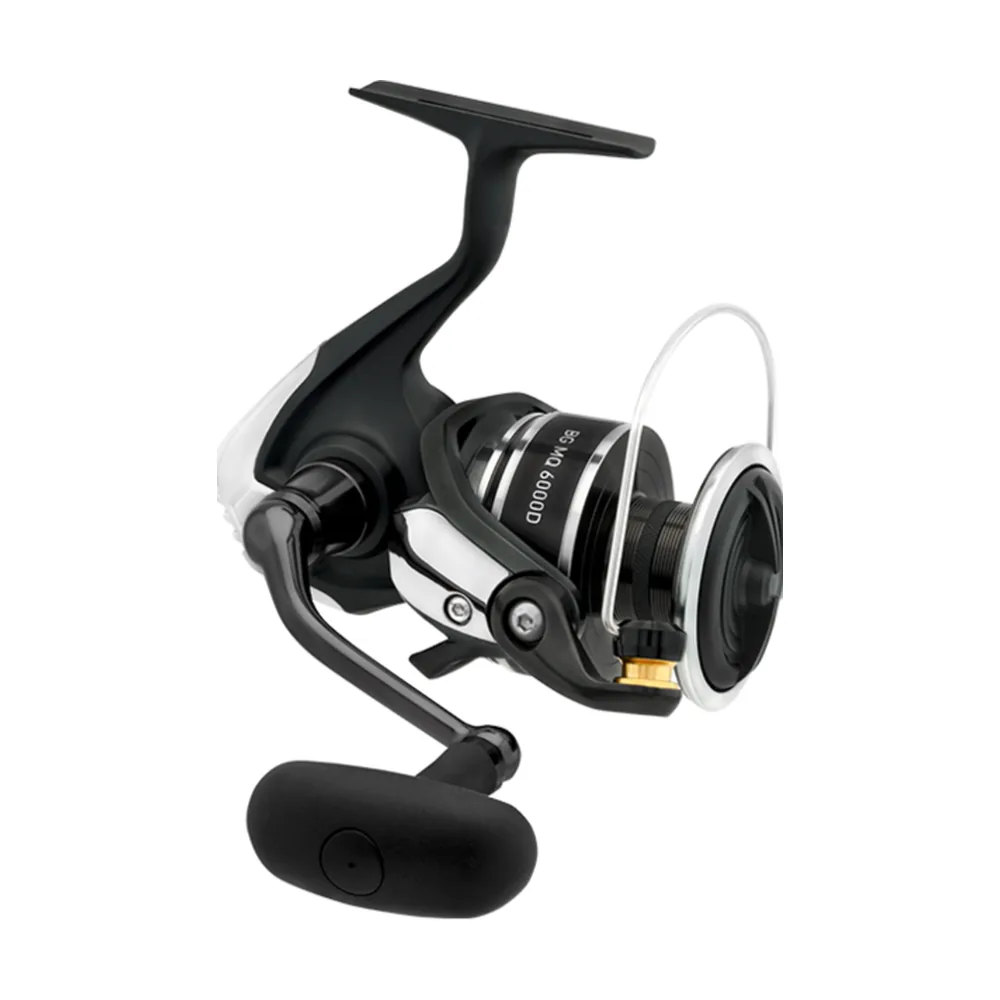
Buying role: Value-focused coastal and offshore configurations.
Read the full BG MQ review
Position in the range and documented design
BG MQ is the value-oriented MQ construction comparison in this guide. Daiwa documents an aluminum MQ body, Digigear technology and ATD, with a broad range extending from 2500-class configurations to 20000. The official description should be checked for the exact regional code. This review does not add Magsealed protection from Saltist MQ or POWERDRIVE components from newer families. BG MQ is also distinct from the conventional older BG and from the new 2026 BG LT and BG SW products.
Why it belongs on the shortlist
BG MQ is worth examining when the buyer wants an aluminum MQ saltwater reel but has to keep the complete outfit budget under control. Its broad range means it can appear in coastal and offshore discussions, though those are different applications requiring different sizes. The useful value proposition is a configuration that fits the actual work at an acceptable cost. A buyer should not choose it merely because the letters MQ are appealing or because it is assumed to contain every feature found on a more expensive MQ reel.
For a general boat outfit, the comparison may begin with a realistically sized BG MQ, Saltist MQ and BG SW. Examine what each exact option provides, then ask whether the price difference addresses a requirement. Someone fishing moderate bait or lure applications a few times each month may make a different decision from an angler repeatedly working substantial jigs offshore. Frequency and workload shape value. A reel can be a sensible purchase for one owner and an unnecessary compromise for another without either decision being contradictory.
The importance of narrowing the range
A family extending from relatively compact coastal reels to large saltwater configurations cannot be reviewed responsibly as if one number describes the whole lineup. Start with the line and rod, identify a reasonable spool class, and then compare exact codes. The largest available reel is not automatically the best value simply because capacity is plentiful. Excess dimensions and weight can make a lighter technique unpleasant. Conversely, selecting a compact reel for appearance may produce inadequate reserve when the actual fishing involves depth or long runs.
When looking at capacity, account for the intended braid rather than relying on breaking strain alone. Diameter and the manufacturer’s capacity reference determine what the spool description means. Ask whether the line plan leaves a workable margin after allowing for depth, current and previous damaged line. A purchase that depends on optimistic spool packing is fragile. It is better to select a suitable reserve deliberately than to discover on the first trip that an apparently economical outfit was based on an unrealistic assumption.
MQ construction and sensible claims
MQ is a documented design feature, but this article does not translate the manufacturer’s construction description into an invented service-life figure. Buyers should be wary of treating marketing comparisons about gear dimensions as independent proof of durability under their own fishing conditions. Maintenance, load and technique vary too much for that shortcut. The useful purchasing assessment is that BG MQ offers a particular body architecture in the value-oriented part of the saltwater range, which can be compared directly with other appropriately configured models.
The same care applies to sealing language. A buyer should not assume that an MQ body alone implies Magsealed bearings, main-shaft protection or an immersion rating. Read the exact product description and manual. If a fishing style involves routine spray, gritty handling or the likelihood of dunking, that exposure should be considered explicitly. No family-level recommendation should conceal the difference between ordinary saltwater use and repeated immersion. Those are separate ownership problems with separate purchasing implications.
When another option is the better decision
Saltist MQ deserves attention when its documented main-shaft protection and other configuration details are valued enough to justify the local price difference. The new BG SW provides another heavy saltwater comparison with a different current design emphasis. Certate SW or Saltiga enters the discussion when the actual workload and ownership priorities justify moving higher. These alternatives should be assessed in suitable sizes. Comparing the cheapest small BG MQ with a large flagship mostly demonstrates that they are different outfits, rather than producing a useful value judgment.
If the buyer’s normal fishing is modest inshore lure work, BG LT may be the more appropriate family to examine. Offshore capacity and construction can become unnecessary weight on a light rod. The goal is not to buy as much reel as the budget allows. It is to obtain the reel that lets the chosen outfit perform its intended job comfortably, with enough margin for realistic fish and conditions. That principle is particularly important in a broad family where the name alone can obscure the size differences.
Editorial verdict
BG MQ is a worthwhile value shortlist candidate for a purposefully sized coastal or offshore setup. Confirm the exact code and compare the required features with Saltist MQ and BG SW. Buy it for the configuration’s fit and total ownership value, while avoiding borrowed sealing claims or assumptions that all MQ reels provide the same feature package. A well-planned working outfit is its strongest purchase case.
A concrete outfit-planning exercise
Consider a buyer planning a budget-conscious boat outfit with enough line reserve for the actual depth and target fish. Start with a written description of that normal session: the lure or bait, fishing position, expected depth and the fish that are genuinely likely to be encountered. Next, identify the rod already owned or the rod being considered. Record its intended line and casting range. Only then narrow BG MQ to the relevant configuration. This order keeps the reel connected to an actual job and avoids buying a model whose main attraction is a name, release year or isolated maximum figure.
For this application, check published capacity for the intended braid diameter, plus a practical reserve after depth, current and expected line wear. Ask the seller to identify the complete model code and current regional specification. Keep weight, ratio, pickup, capacity and maximum drag attached to that code rather than to the family name. If the specification is incomplete, leave the field unresolved until it can be verified. A number borrowed from a neighboring size can make the comparison look thorough while producing the wrong decision. The table above therefore favors accurate design distinctions over numerical precision unsupported by an exact configuration.
Comparing the assembled outfit
Place the selected reel on the intended rod where possible. Check balance in the normal fishing grip, comfortable handle clearance and access to the drag control. Consider whether the outfit will remain manageable through repeated casts or retrieves. Compare Saltist MQ where its documented protection matters, or BG SW when the newer heavy-saltwater design better fits the planned work. Make that comparison around the same fishing problem, not merely the same nominal spool number. If one option feels better, identify the practical reason before assigning it greater value; comfort, required reserve and technique can explain a preference more clearly than prestige.
Care and purchasing checks
Read the supplied manual before cleaning or adjusting the reel. After saltwater exposure, follow the recommended exterior cleaning and drying routine and avoid forceful washing. Establish a local route for internal service before experimenting with specialized components. Ask whether the regional warranty covers the exact purchase, especially if importing. For a reel intended for regular use, access to competent support belongs in the value calculation alongside the initial cost. These are ownership considerations, rather than a claim that any particular failure was observed in testing.
No Amazon listing or affiliate button has been invented for this review. When adding one later, match the link to the exact generation and configuration discussed, and check that the retailer description agrees with the manufacturer reference. A superficially similar family name is not enough. If the listing is for a different size or older generation, label that difference clearly. This keeps a useful buying guide connected to an accurate purchase choice instead of sending the reader to an unspecified substitute.
Official product reference: Daiwa BG MQ
26 BG SW
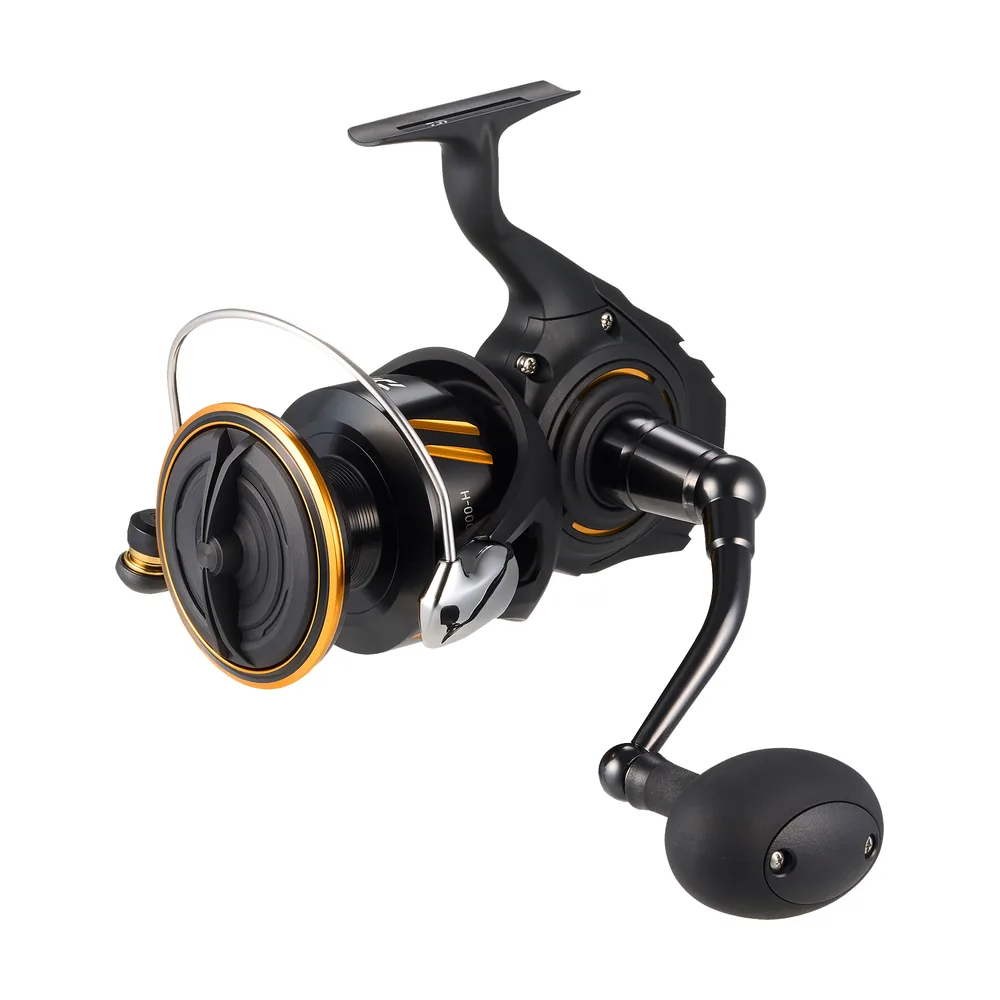
Buying role: Value-focused heavy saltwater outfit.
Read the full 26 BG SW review
Position in the range and documented design
The 2026 BG SW is a separate heavy saltwater product, despite the unusual wording in the manufacturer’s URL. Daiwa’s main overview documents a gasket-sealed aluminum frame and body cover, POWERDRIVE components, ATD TOUGH carbon drag, a braid-ready spool and a soft-touch egg-shaped knob. The page is inconsistent about rotor material: its main overview says reinforced composite, while an embedded video transcript says aluminum. This review therefore does not assign a definitive rotor material; verify it for the exact configuration with Daiwa before purchase.
Why the new model deserves a fresh comparison
BG SW should be considered on its own documented features rather than being treated as a renamed older BG. The current listing points toward a more purposeful heavy saltwater role than the new BG LT inshore product. For a buyer seeking a practical offshore outfit, this creates another useful comparison alongside BG MQ and Saltist MQ. The meaningful question is whether the chosen BG SW configuration fits the intended work and offers good local ownership value. A release year alone cannot answer that, but the documented design changes give the comparison substance.
An angler building a larger boat outfit should begin with the rod, line and normal technique. Once a realistic spool class has been identified, compare the appropriate BG SW with alternatives. The family should not be selected simply because it promises a heavy-duty direction at a value-oriented price. It still needs sufficient capacity, a suitable retrieve and a comfortable assembled outfit. Those details determine whether it is an effective purchase or an attractive specification sheet attached to the wrong fishing setup.
Distinguishing SW, LT and MQ
The BG name now appears across products with different construction priorities. BG LT is the inshore and light-surf comparison in this article. BG MQ identifies a particular body architecture in an existing family. BG SW is the new heavy saltwater design reviewed here. A retailer may abbreviate these names or mix photographs and older descriptions, so the shopper should insist on the complete product identity. Do not assume that a listing titled new BG contains the features of all three families.
This distinction also prevents accidental feature borrowing. The BG SW overview’s gasket-sealed frame does not establish Magsealed protection. POWERDRIVE does not establish MQ construction. A braid-ready spool does not determine capacity for any unspecified braid. Read each documented feature at its actual scope. The reel already has a clear purchase case as a current heavy saltwater option; there is no reason to strengthen that case with features that the available source does not support.
Using the design information responsibly
ATD TOUGH carbon drag is a documented update, but the review does not claim independently measured thermal endurance or pressure consistency. Those conclusions would require proper testing. A buyer can still recognize that the drag system is an intended part of the heavy saltwater design and compare the exact specifications. Set working pressure according to the rod, line, knots and fishing situation, rather than treating the manufacturer’s maximum as the starting point for every fight.
The rotor-material discrepancy is worth keeping visible until clarified. It does not prevent the reel from being considered, but it does limit what can responsibly be stated about construction. Ask Daiwa or a knowledgeable authorized seller for written confirmation tied to the exact code. This is more useful than silently choosing whichever version sounds more impressive. Buying around accurate details matters most when a feature is part of the reason for selecting one model over another.
Practical offshore considerations
For an offshore casting outfit, compare the intended lure resistance and preferred pickup before ordering. For a jigging outfit, consider depth, line angle and the repetitive nature of the retrieve. A suitable reel for one method may not be the most comfortable configuration for another. The large-family identity cannot resolve those choices. Use the published exact specification and the intended rod to narrow the selection, then evaluate the outfit as something that will be held and worked for a full session.
The egg-shaped knob is another detail to try rather than judge abstractly. Some anglers may prefer its grip for substantial boat work, while others may favor a different handle style. Comfort depends on hand position, gloves and the way the rod is braced. A brief test at the counter cannot replicate a long fight, but it can reveal obvious discomfort or clearance issues. Those practical checks are useful because the purpose of a working outfit is sustained usability, not merely a good photograph.
Alternatives and editorial verdict
Compare BG MQ if MQ construction is a specific priority, and Saltist MQ where its documented protection and configuration justify consideration. Certate SW is the higher-tier offshore comparison; Saltiga is the flagship reference. Evaluate exact sizes and local support rather than ranking family names alone. BG SW is a worthwhile current shortlist candidate for a deliberate heavy saltwater setup, provided the buyer confirms the configuration, resolves any material detail that matters and selects around a real workload. Its value should come from that fit, not from assuming that every new BG is the same reel.
A concrete outfit-planning exercise
Consider a buyer building a practical heavy saltwater setup for substantial lures, boat work and a deliberately planned line reserve. Start with a written description of that normal session: the lure or bait, fishing position, expected depth and the fish that are genuinely likely to be encountered. Next, identify the rod already owned or the rod being considered. Record its intended line and casting range. Only then narrow 26 BG SW to the relevant configuration. This order keeps the reel connected to an actual job and avoids buying a model whose main attraction is a name, release year or isolated maximum figure.
For this application, check the intended braid diameter and sufficient reserve for depth and a first run, without exceeding the rod and leader system limits. Ask the seller to identify the complete model code and current regional specification. Keep weight, ratio, pickup, capacity and maximum drag attached to that code rather than to the family name. If the specification is incomplete, leave the field unresolved until it can be verified. A number borrowed from a neighboring size can make the comparison look thorough while producing the wrong decision. The table above therefore favors accurate design distinctions over numerical precision unsupported by an exact configuration.
Comparing the assembled outfit
Place the selected reel on the intended rod where possible. Check balance in the normal fishing grip, comfortable handle clearance and access to the drag control. Consider whether the outfit will remain manageable through repeated casts or retrieves. Compare BG MQ for a specific MQ construction preference, Saltist MQ for its documented protection, or Certate SW for a higher-tier offshore comparison. Make that comparison around the same fishing problem, not merely the same nominal spool number. If one option feels better, identify the practical reason before assigning it greater value; comfort, required reserve and technique can explain a preference more clearly than prestige.
Care and purchasing checks
Read the supplied manual before cleaning or adjusting the reel. After saltwater exposure, follow the recommended exterior cleaning and drying routine and avoid forceful washing. Establish a local route for internal service before experimenting with specialized components. Ask whether the regional warranty covers the exact purchase, especially if importing. For a reel intended for regular use, access to competent support belongs in the value calculation alongside the initial cost. These are ownership considerations, rather than a claim that any particular failure was observed in testing.
No Amazon listing or affiliate button has been invented for this review. When adding one later, match the link to the exact generation and configuration discussed, and check that the retailer description agrees with the manufacturer reference. A superficially similar family name is not enough. If the listing is for a different size or older generation, label that difference clearly. This keeps a useful buying guide connected to an accurate purchase choice instead of sending the reader to an unspecified substitute.
Official product reference: Daiwa 26 BG SW
Official manufacturer sources
These references support the product identities and documented feature summaries. Consult the appropriate regional chart for an exact configuration. Links are manufacturer references, not affiliate purchase links.
- 22 Exist official product page
- 24 Certate LT official product page
- 26 Certate HD official product page
- SOL MQ official product page
- 26 BG LT official product page
- 25 Saltiga Spinning official product page
- 26 Certate SW official product page
- Saltist MQ official product page
- BG MQ official product page
- 26 BG SW official product page
- 22 Exist official technology showcase
- Daiwa US current ICAST product listings
- Daiwa Australia Certate series and generation distinctions
- Daiwa Australia 26 Certate HD configurations
- Daiwa official brand history
← Back to Spinning Reels · Compare Shimano · Deep Drop Directory