
Brand: PENN · Country: USA · Category: offshore trolling rods
PENN’s trolling-rod lineup sits in an interesting place in 2026. The company is best known for reels, but the current rod catalog gives offshore anglers a practical ladder from lighter conventional trolling through true heavy big-game line classes. The most important current release is the new Battalion III Boat Troll, which spans 6′ to 7′ lengths and line ratings from 15–30 lb through 80–130 lb. That breadth makes it the center of PENN’s current factory trolling offering.
Top 5 PENN trolling rods for 2026
1. Battalion III Boat Troll 30–50 lb — best all-around
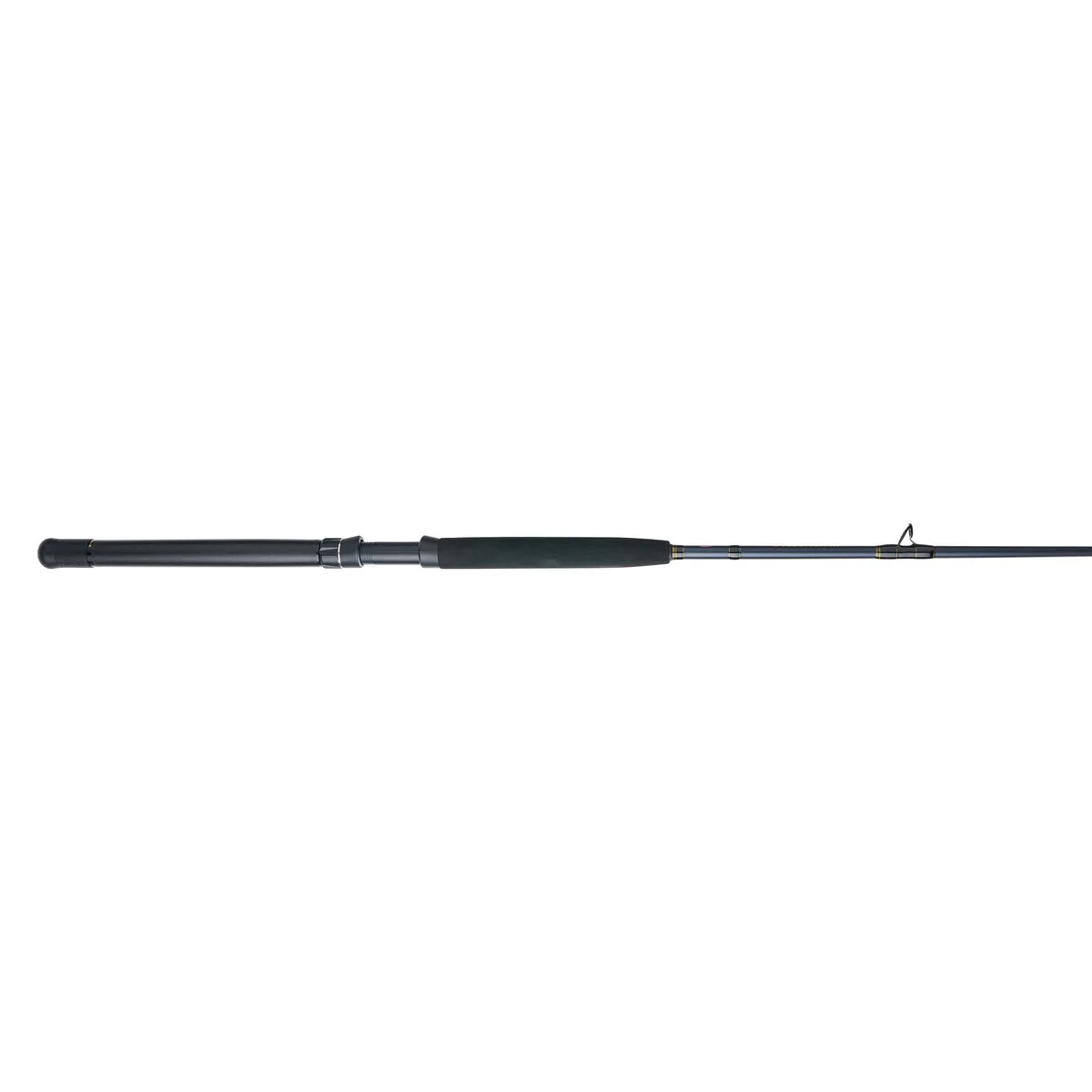
The 30–50 lb Battalion III Boat Troll is the model that fits the broadest range of offshore trolling. It is heavy enough for wahoo, tuna and smaller billfish yet still manageable for stand-up fighting. A 30–50 lb rod also matches well with conventional two-speed reels in the 20–30 class, making it a logical South Florida setup for mixed spreads.
The advantage of this line class is flexibility. It can troll ballyhoo, medium skirted lures, planers and heavier natural baits without feeling like a broomstick. For charter or private-boat use where the same outfit may see mahi one day and yellowfin the next, that versatility matters more than maximum lifting power.
2. Battalion III Boat Troll 50–80 lb — best for heavy tuna and marlin
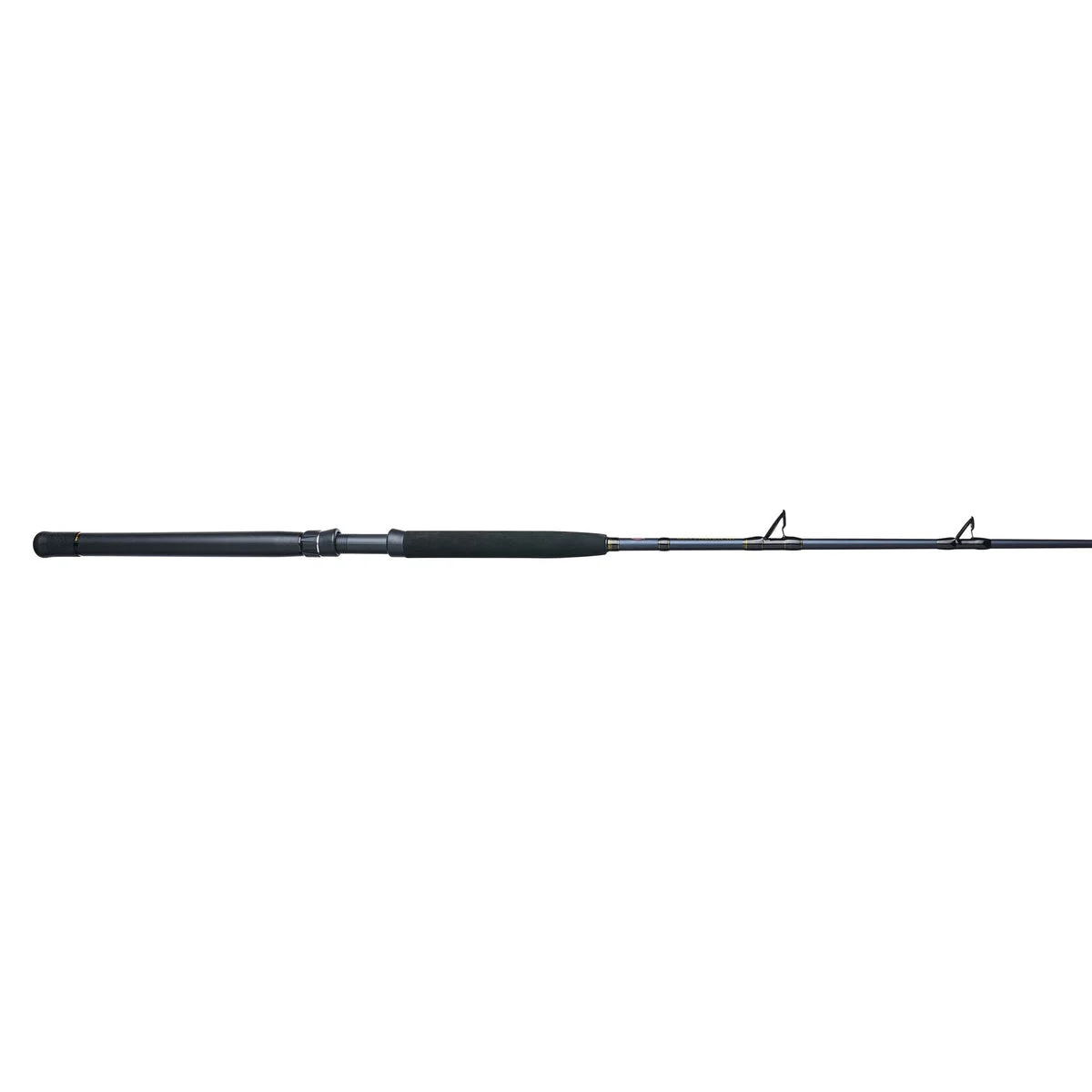
The 50–80 lb version moves into serious big-game territory. This is the rating to consider when drag settings are high enough that the rod must transfer meaningful pressure through a harness or fighting belt. It pairs naturally with 30W–50 class reels and heavy braid or mono topshots.
For Florida anglers, the 50–80 lb rod is useful for large tuna, blue marlin, heavy high-speed wahoo trolling and daytime swordfish backup duty. It is less pleasant for ordinary sailfish and mahi because the extra stiffness and hardware weight reduce finesse, but when fish size and drag rise the stronger blank becomes an advantage.
3. Battalion III Boat Troll 80–130 lb — best heavy-tackle option
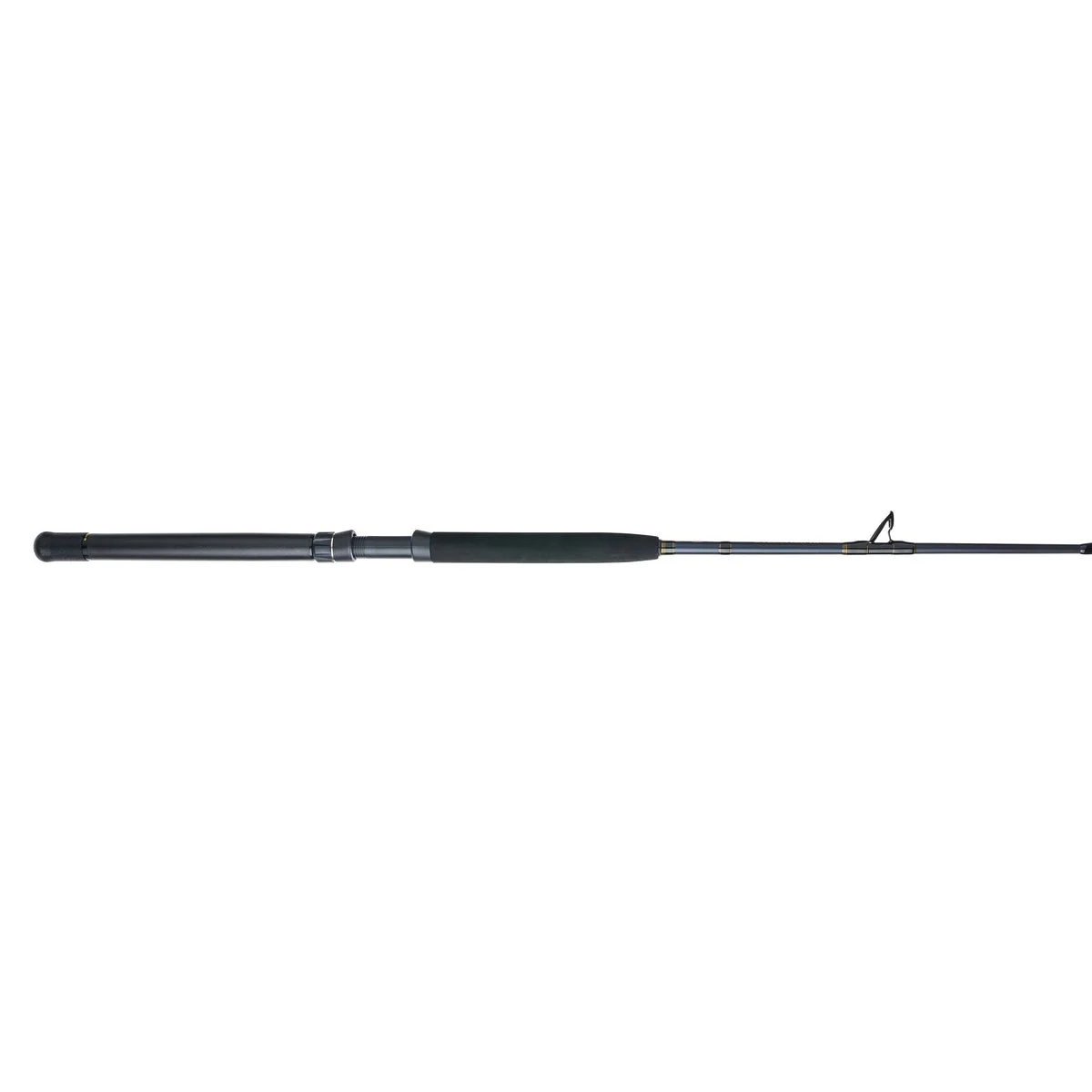
The 80–130 lb model is not a general-purpose trolling rod. It belongs in a heavy big-game system with a large two-speed reel, heavy harness or chair setup and leaders appropriate for very large tuna or marlin. The rating gives anglers room to fish serious drag without overpowering the blank.
This is the rod to choose only when the entire boat is rigged around heavy line. On a normal mixed-species trolling spread, an 80–130 lb rod simply adds weight and stiffness. On a giant-fish program, however, the reserve power and heavy hardware are exactly the point.
4. Battalion III Boat Troll 20–40 lb — best lighter offshore trolling
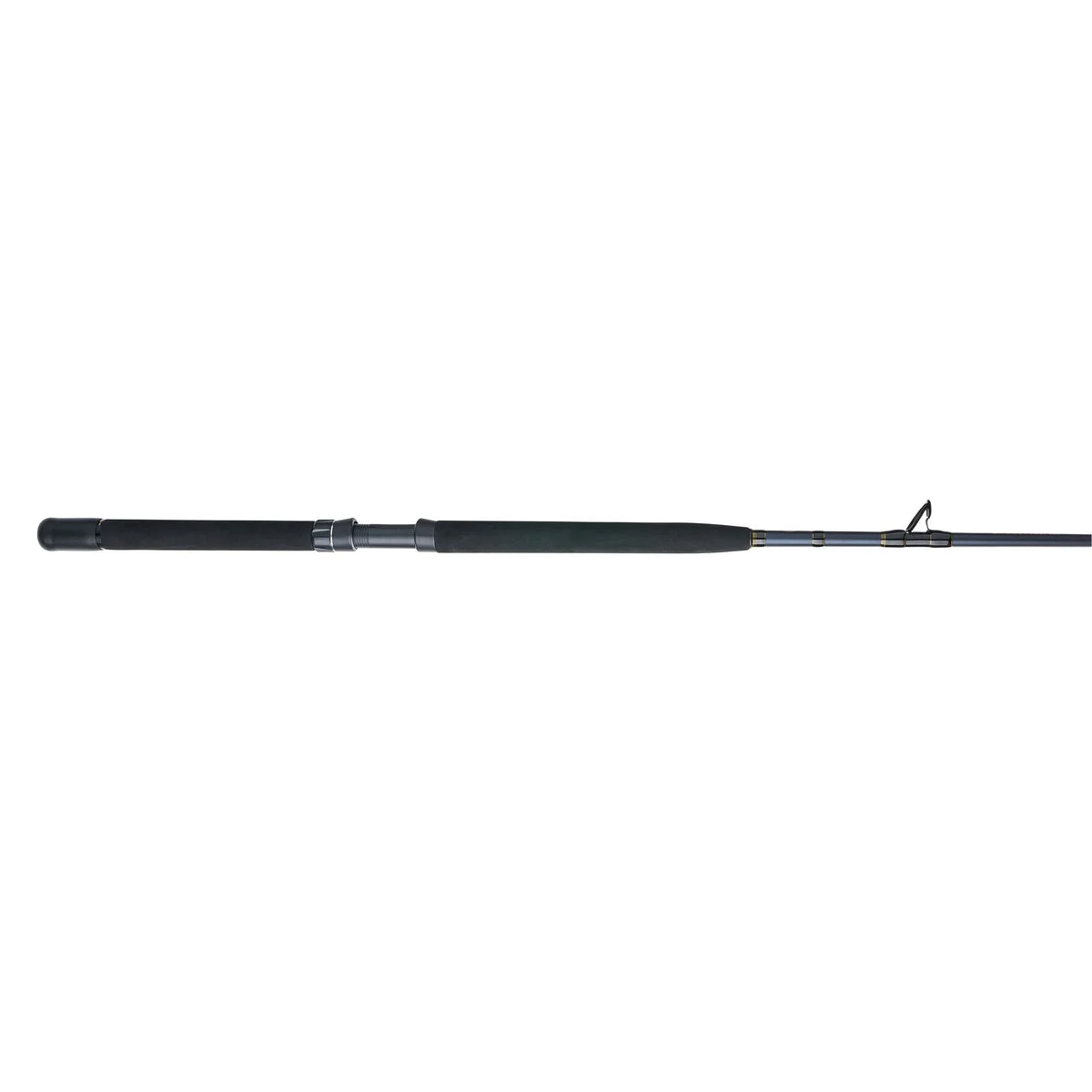
The 20–40 lb version is better for sailfish, mahi, blackfin tuna and lighter wahoo trolling. A softer rod loads more progressively on a strike, helping circle hooks find purchase and reducing shock on lighter leaders. It also makes smaller fish more enjoyable to fight.
This rating works particularly well with 16–20 size lever drags and modern braid-backed setups. It is also a good choice for crews that pull smaller ballyhoo and feathers rather than large marlin lures or heavy planers.
5. Battalion III Boat Troll 15–30 lb — best sailfish and light-tackle model
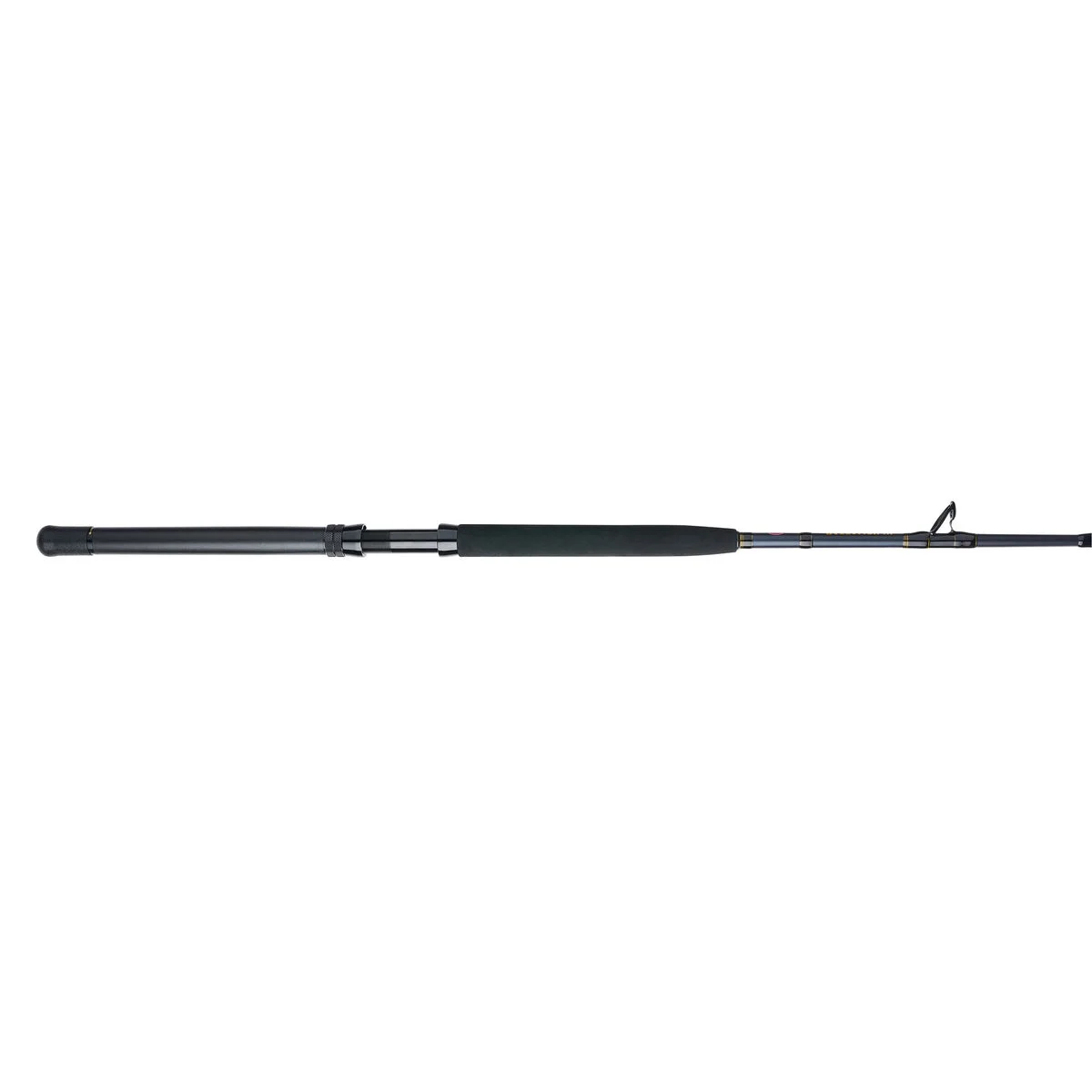
The lightest Battalion III trolling configuration is designed for anglers who prioritize line-class sport and billfish presentation over brute force. A 15–30 lb rod lets the tip work, cushions light leaders and keeps smaller conventional reels balanced.
For South Florida winter sailfish or mahi trolling, this is often the most enjoyable rating in the range. It is not intended for giant tuna or heavy high-speed trolling, but within its role it offers better bite detection and a more forgiving fight.
Why the new Battalion III matters
PENN’s older trolling rods were often split between value-oriented boat rods and highly specialized heavy gear. The Battalion III Boat Troll creates a clearer modern family with multiple lengths, ratings and specialty configurations under one name. That makes it easier to outfit a spread with matched cosmetics and actions while stepping power up or down by line class.
The new-series status is important because trolling rods are long-lived products. Many excellent rods remain in service for decades, but buyers shopping new often want current components, current warranty support and models designed around today’s braid-heavy reel capacities rather than older mono-only assumptions.
How to choose a PENN trolling rod by line class
| Line rating | Best targets | Typical reel class | Use case |
|---|---|---|---|
| 15–30 lb | Sailfish, mahi, blackfin | 12–20 | Light trolling, ballyhoo |
| 20–40 lb | Wahoo, mahi, tuna | 16–30 | General offshore |
| 30–50 lb | Yellowfin, wahoo, marlin | 20–30W | Best all-around |
| 50–80 lb | Large tuna, marlin | 30W–50W | Heavy stand-up |
| 80–130 lb | Giant tuna, large marlin | 80–130 | Chair / bent-butt systems |
Rod action and trolling performance
A trolling rod needs to load smoothly when a fish strikes. If the tip is too stiff, the hook and leader take more of the initial shock. If the rod is too soft, it may not control heavy lures or deliver enough pressure late in the fight. The best action depends on the bait and line class.
For circle-hook ballyhoo, a more progressive action helps the fish load the rod before full pressure is applied. For high-speed wahoo trolling, the blank must also resist the constant drag of heavy lures at speed. Heavy tuna and marlin rods need a strong lower section that turns rod bend into lifting power rather than simply folding under drag.
Roller guides versus ring guides
Heavy trolling rods may use rollers, ring guides or a hybrid layout. Roller guides reduce friction with thick mono under sustained drag and are still common on 80–130 lb tackle. Ring guides are lighter and simpler to maintain, especially with braid. Modern ceramic guides can handle heavy braid very well, but they still need to be sized for wind-on leaders and swivels.
For mixed braid-and-mono setups, inspect guide diameter and leader connection before buying. A rod that cannot comfortably pass the intended wind-on knot is the wrong rod even if the line rating looks perfect on paper.
Butt style and rod-holder use
A trolling rod spends far more time in a holder than a casting rod, so butt design matters. Slick butts slide in and out of holders easily. Aluminum butts add rigidity and secure gimbal engagement. Curved or bent butts move the rod geometry into a better position for chair fighting and reduce the need for extreme rod angles.
For light stand-up fishing, a straight butt and comfortable EVA foregrip are usually best. For 80–130 lb systems, aluminum Uni-Butt or bent-butt hardware becomes more important.
Pairing with PENN International reels
PENN’s trolling rods naturally pair with International reels, but reel size should be chosen by actual capacity and drag rather than brand matching. A 16VISX fits 20–40 lb rods well. A 30VISX or 30VISW is at home on 30–50 lb tackle. A 50VISX moves naturally into 50–80 lb rods, while 80VISW and 130VIS reels require true heavy tackle.
Matching reel and rod line class helps balance the outfit and prevents an oversized reel from making the rod feel top-heavy. More importantly, it reduces the chance of using more drag than the rod, reel seat or gimbal can safely handle.
Florida trolling recommendations
Sailfish: choose 15–30 or 20–40 lb. These ratings keep the tip responsive and protect lighter leaders.
Mahi: 15–30 or 20–40 lb unless the same rods also need to cover tuna and wahoo.
Wahoo: 20–40 or 30–50 lb for normal trolling; 50–80 lb for heavy high-speed lure spreads.
Yellowfin tuna: 30–50 lb for smaller fish and active boat handling; 50–80 lb for larger fish and sustained drag.
Blue marlin: 50–80 lb for stand-up or harness use; 80–130 lb for traditional heavy tackle.
How rod length changes trolling behavior
Shorter rods create more direct lifting leverage and are easier to control from a fighting belt. Longer rods spread the trolling pattern and can help clear outboards, corners and other lines. A 6′ rod feels powerful and compact; 6’6″ to 7′ gives more tip reach and can be better for lighter line classes.
On center consoles, longer rods can help keep lines separated, but too much length becomes tiring when fighting a heavy tuna. Match length to both the spread and the expected fighting style.
Maintenance
Trolling rods live in salt spray, rod holders and crowded gunwales. Rinse with low-pressure freshwater and dry completely. Inspect every guide ring or roller, especially the stripper and tip, because those see the highest load. Check the reel seat and gimbal for corrosion and make sure foam grips are not hiding cracks around the blank.
Roller guides need more attention than fixed rings. Rollers must turn freely under load. Salt or dried lubricant can make a roller seize, turning it into a high-friction edge that damages mono quickly.
Buying advice
The Battalion III Boat Troll currently ranges roughly from $149.95 to $399.95 depending on configuration. That spread reflects different line classes and component packages. Do not shop only by price; identify the required line rating, length, guide style and butt first.
For most recreational offshore anglers, the 30–50 lb model gives the widest usefulness. A boat that primarily fishes sailfish should lean lighter, while a dedicated tuna or marlin program should step up.
Pros and cons
Pros: new current family, broad line-class range, easy pairing with PENN reels, widely available dealer and service network.
Cons: heavy models become bulky; buyers must pay attention to guide and butt configuration rather than assuming all Battalion III trolling rods are alike.
Frequently asked questions
What is the best PENN trolling rod for most anglers?
The Battalion III Boat Troll in 30–50 lb is the most versatile choice for mixed offshore fishing.
What is new for 2026?
The Battalion III Boat Troll is PENN’s notable current new trolling-rod family.
Do I need roller guides?
Not for every setup. Rollers are most useful with heavy mono and sustained high drag. Quality ring guides are simpler for braid-heavy lighter tackle.
What rod should I use with a 50VISX?
A 50–80 lb trolling rod is the natural starting point, adjusted for actual drag and line system.