
Van Staal Spinning Reels: Inshore, Surf and Offshore Buying Guide
Review method: Researched editorial buying analysis using official specifications. No hands-on testing, independent immersion results or invented catch reports are claimed. Exact specifications, availability, permitted exposure and local service must be confirmed. No Amazon affiliate links have been fabricated.
← Spinning Reels Directory · Feature comparison · Inshore examples · Larger saltwater examples · Company overview · Detailed reviews
Affiliate disclosure: As an Amazon Associate, I earn from qualifying purchases.
Browse Van Staal reels — features in separate columns
The reviewed products span compact coastal and larger saltwater configurations. This focused catalog does not justify ten separate platform reviews. Inshore or offshore suitability depends on exact size and technique; the examples below are starting points for verification.
| Series / variant | Buying role | Body / architecture | Gearing | Protection / drag | Bail arrangement | Handling / shaft | Range / retrieve notes |
|---|---|---|---|---|---|---|---|
| VR II Series Bailed | Current-generation coastal and larger saltwater comparison | Machined 6061 aluminum body | Stainless spiral-bevel system | Fully sealed body and spool; waterproof drag claim | Bailed; conversion kit listed | Powergrip handle and drag knobs | 25 / 50 / 75 / 125 / 150 / 175 / 200; handedness by code |
| VR Series Bailed — original generation | Older-generation coastal and saltwater value comparison | Machined 6061 aluminum body | Stainless spiral-bevel system | Fully sealed body and spool; waterproof drag claim | Bailed; conversion kit listed | Do not assume VR II knob package | Current selector differs from older listings; verify code |
| VSX2 Bailed | Bailed premium inshore and larger saltwater configurations | Machined 6061 one-piece body and stem | Stainless spiral-bevel system | Fully sealed body and stem | Dedicated bailed listing | Titanium main shaft; Powergrip knobs | Current chart: 50 / 150 / 200; left retrieve |
| VSX2 Bail-less | Dedicated bail-less coastal, surf and larger saltwater choices | Machined 6061 one-piece body and stem | Stainless spiral-bevel system | Fully sealed body and stem | Dedicated bail-less operation | Titanium main shaft; Powergrip knobs | 50 / 100 / 150 / 200 / 250 / 300; handedness by code |
| VSX2 Bail-less Fast | Faster-geared bail-less surf and larger saltwater comparison | Machined 6061 one-piece body and stem | Stainless spiral-bevel; faster ratio variants | Fully sealed body and stem | Dedicated bail-less operation | Titanium main shaft; Powergrip knobs | 150 / 200 / 250; current chart lists left retrieve |
Documented current-generation changes and 2025–2026 coverage
VR II is marked New in the checked official catalog and explicitly lists Powergrip handle and drag knobs; its current chart includes size 25. VSX2 describes generation changes to architecture, handling and clutch placement, while Fast provides verified ratio differences. Exact launch dates are not asserted where the consulted official material does not establish them. Original VR remains listed as an older-generation comparison.
Some product-page fields remain blank before variant selection. Weight, line capacity, recovery rate and bearing count are not fabricated. Obtain a complete exact-code chart where those figures are needed. Broad selector availability does not prove every size, color and retrieve combination can be ordered.
Compact inshore and coastal examples
These codes can start a compact coastal comparison. Confirm capacity and balance for the actual outfit. Maximum drag is a ceiling, not a recommended setting.
| Series | Exact example code | Size | Ratio | Maximum drag (lb) | Retrieve |
|---|---|---|---|---|---|
| VR II | VRII25B | 25 | 6.3:1 | 25 | Left |
| VR II | VRII50B | 50 | 6.3:1 | 25 | Left |
| Original VR | VR50 | 50 | 6.3:1 | 25 | Left |
| VSX2 Bailed | VSB50BX2 | 50 | 5.9:1 | 25 | Left |
| VSX2 Bail-less | VS100BX2 | 100 | 5.4:1 | 30 | Left |
Larger saltwater and offshore comparison candidates
These are exact-code examples to investigate, not universal offshore recommendations. Obtain capacity, recovery, permitted exposure and workload guidance for the intended method. Account for line consumed by depth and current before selecting a configuration.
| Series | Exact example code | Size | Ratio | Maximum drag (lb) | Retrieve |
|---|---|---|---|---|---|
| VR II | VRII200B | 200 | 4.8:1 | 40 | Left |
| Original VR | VR200 | 200 | 4.8:1 | 40 | Left |
| VSX2 Bailed | VSB200BX2 | 200 | 4.25:1 | 42 | Left |
| VSX2 Bail-less | VS300BX2 | 300 | 5.1:1 | 42 | Left |
| VSX2 Fast | VS250BX2F | 250 | 5.1:1 | 42 | Left |
Van Staal company and range overview
A focused saltwater brand rather than a broad catalog
Van Staal is a Pure Fishing brand with a particularly focused spinning-reel proposition. Its current official range emphasizes sealed construction, machined aluminum designs and configurations that deserve attention from demanding saltwater anglers. The official VSX2 material describes a VS lineage extending over thirty years, but this guide does not infer an exact founding date or manufacturing location from that marketing history. The useful purchasing story is the current equipment: what each series offers, how its configuration fits the fishing and what the buyer needs to confirm before paying a premium price.
This page covers five meaningful choices: VR II Series Bailed, original VR Series Bailed, VSX2 Bailed, standard VSX2 Bail-less and VSX2 Bail-less Fast. They are not five unrelated engineering platforms. Bailed, bail-less and faster-geared X2 variants share important architecture while serving different preferences. Similarly, VR II should be compared with original VR as a generation choice, not merely a change in color. Five thorough reviews are more useful here than ten entries created by treating black, silver and a limited finish as separate performance designs.
Inshore and offshore are applications, not fixed series labels
The current lineup contains compact configurations for coastal fishing and larger configurations that can enter a demanding saltwater or offshore comparison. That does not make every reel in a premium family suitable for every offshore job. Define the rod, line, technique and reserve before deciding which size belongs in the outfit. A compact VR II used with lighter coastal lures has a different role from a larger VSX2 used in a substantially heavier setup. Both can be sensible purchases, but the reasons for choosing them should be stated separately.
This directory therefore separates compact coastal examples from larger saltwater candidates in its navigation and tables, while the reviews explain the families. An offshore decision needs particular care over depth, current, line consumed before the fight and the likely run. A shore decision may place greater weight on walking comfort, casting routine, exposure and landing access. The angler’s position matters in both cases. A premium reel cannot create a safe landing method or make an unsuitable rod appropriate for the pressure required around difficult structure.
What fully sealed means in this guide
Van Staal’s current product pages describe sealed construction and, for the VR designs, a waterproof drag system. Those are meaningful manufacturer claims. This guide reports them without adding an IPX rating, universal immersion depth or unlimited underwater operating permission that the checked product sources did not establish. Buyers should obtain the supplied instructions for the exact reel and ask the service team about any exposure on which their method depends. Protection is a reason to compare the equipment carefully, not a reason to deliberately subject it to avoidable contamination.
Salt water, sand, impact and ordinary wear are different ownership concerns. A protected body does not eliminate every exposed moving interface, and a durable-looking exterior does not make a dropped reel immune to damage. Keep the outfit away from abrasive ground where practical, handle it sensibly around rocks and follow the recommended cleaning procedure. A change in sound or operation deserves attention. This page does not claim that a reel has passed an independent immersion or sand test, and it does not reinterpret the manufacturer’s protection language as a guarantee that service will never be needed.
Machined aluminum and the assembled system
The current descriptions identify machined 6061 aluminum construction. VSX2 specifically describes a one-piece body and stem, while the VR pages describe a machined body and sealed body-and-spool design. These are meaningful architecture distinctions. They should remain attached to the correct product rather than being blended into a single specification shared by every Van Staal. The gear system, shaft, handle and their support also participate in the complete mechanism. A material name alone does not establish measured deflection, wear rate or an independently ranked service life.
The buyer should inspect the assembled fit on the intended rod. A compact configuration may appeal for repeated lure casting, while a larger one needs to justify its handling demands through useful reserve and workload suitability. Premium construction is not a substitute for choosing the correct size. A reel can be attractively engineered and still make the ordinary session less comfortable if it is unnecessarily large. Conversely, a pleasantly compact outfit can be underprepared if its line reserve is insufficient for depth, current and realistic fish movement.
Bail preference is a major decision
A bailed reel and a bail-less reel ask the angler to manage the casting and line-pickup routine differently. The choice should be deliberate. Someone who already fishes bail-less may value a dedicated configuration, while another angler may prefer the familiar bailed arrangement. Neither preference is evidence that the other system is universally inferior. The right purchase supports a routine the owner understands and can perform consistently. If the configuration is unfamiliar, arrange an explanation or demonstration before making it the foundation of an expensive outfit.
VR and VR II list a bail-less conversion kit, giving those series a documented conversion proposition. That should not be transferred automatically to VSX2 Bailed, whose current feature list describes the broader X2 availability rather than establishing the same included kit. Confirm the contents of the exact package and the approved procedure. Accessory compatibility, generation and handedness must all be checked together. A family resemblance or similar size number does not guarantee that components or conversion parts can be interchanged without manufacturer guidance.
Gearing and the Fast option
VSX2 Fast provides a concrete retrieve choice: its current chart lists faster ratios in the available 150, 200 and 250 configurations than the corresponding standard X2 examples. That distinction deserves its own review because it can change the shortlist for a particular technique. A faster ratio is not automatically the best answer for every presentation. Consider slack recovery, lure behavior, the normal movement of the handle and the complete outfit. Ratio should ideally be assessed with actual line pickup because spool dimensions influence recovery per turn.
The checked pages expose ratio and maximum drag by model code, but some other specification fields remain blank until a variant is selected. This page does not invent recovery, weight or capacity values from those blanks. Obtain a full exact-size chart before comparing techniques that depend on a particular pickup or reserve. Avoid assuming that a VR size and a VSX2 size with similar numbers are equivalent, or that a size label can be converted directly into another manufacturer’s numbering system. Use dimensions and verified specifications rather than naming shortcuts.
Drag is a whole-outfit question
Published maximum drag values provide a ceiling for comparison, not a universal fishing setting. The rod, line, knots, hooks and angler’s position determine a practical working pressure. A high ceiling cannot make a light rod appropriate for heavy pressure or guarantee that a fish can be stopped beside sharp cover. Set up the complete system deliberately. For a premium purchase, the important question is whether the configuration supports the intended workload, not whether its headline number is larger than the number on a cheaper reel.
This guide does not provide measured startup friction, drag heating or endurance curves. It identifies the manufacturer’s design descriptions and explains how they inform buying decisions. Offshore reserve planning must also allow for the line already consumed by depth and current before a run develops. Braids sharing a breaking-strain label can differ in diameter, so a capacity figure belongs with its stated line reference. Obtain clear units and the current chart, then consider a practical margin rather than relying on optimistic spool filling to compensate for an undersized configuration.
Current 2025–2026 coverage without invented model years
The official lineup was checked on 4 October 2026. VR II is currently marked New and its official feature description specifically identifies Powergrip handle and drag knobs. The current chart includes a size 25 configuration. These are documented details of the current product, but the checked material does not establish an exact launch date for every change. This page therefore discusses current-generation updates instead of assigning an unsupported 2026 release year to each reel. A retailer’s new-stock label is not a reliable history of the engineering platform.
VSX2 describes changes from the VS foundation including the one-piece architecture, handle and knob arrangement and clutch placement. Those are generation-level design descriptions, not proof that the series itself first appeared in 2025 or 2026. The original VR remains listed alongside VR II in the checked official collection and is reviewed as the older-generation comparison. Limited finishes can matter to an owner’s preference, but they are not counted as an additional performance platform without a documented engineering distinction. Verify stock and exact codes independently of broad collection labels.
Premium ownership includes service planning
The checked official warranty describes one-year coverage for the original retail owner against eligible material or workmanship defects, requires a dated receipt and includes important exclusions. Buyers should read the live policy rather than assuming a sealed reel has unlimited corrosion coverage. The policy also identifies authorized service arrangements. Confirm the practical route in the intended region before purchasing, particularly when the outfit is used frequently or must be ready for a scheduled trip. Service availability can be more important than a modest initial price difference between configurations.
For a used reel, condition and service history deserve their own assessment. A premium badge cannot establish how the previous owner handled sand, salt water, impacts or unauthorized modifications. The warranty’s original-owner language also matters to the ownership proposition. Ask what documentation and inspection are available and budget for appropriate service where needed. This guide does not predict the remaining life of an individual used reel from its model name. Compare the complete cost and uncertainty with a new purchase rather than treating a discounted listing as an automatic bargain.
How to make the shortlist useful
Start by choosing the casting routine and the normal fishing job. Then compare exact size, handedness, reserve, retrieve and local ownership support. Read VR II against original VR for the generation decision, VSX2 Bailed against the dedicated bail-less version for operation, and Fast against standard X2 for retrieve priorities. Where an upgrade does not address a real feature of the sessions, give more weight to rod fit and complete-outfit budget. Another brand may offer a better configuration for a specific task even when Van Staal’s general proposition is attractive.
The individual reviews below are researched editorial buying assessments, not reports of personal catches, teardown measurements or season-long testing. They combine official design facts with original selection analysis and identify the limits of the available specifications. No Amazon affiliate offers have been fabricated. Use the tables to narrow the choice, obtain the exact current chart and confirm the seller’s package before purchase. This produces a reviewable decision about an actual outfit instead of an expensive assumption based on brand reputation alone.
Detailed series and variant reviews
VR II Series Bailed — detailed review
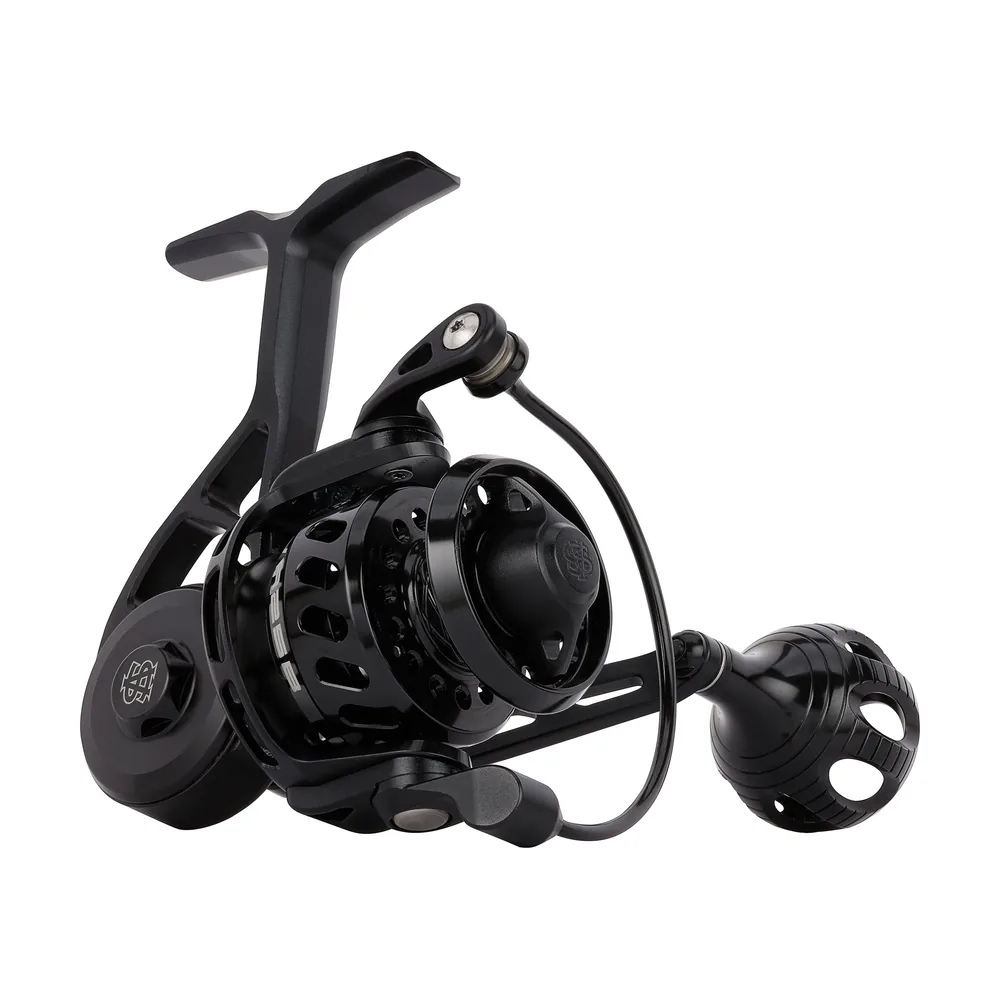
Buying role: Current-generation coastal and larger saltwater comparison.
Read the full VR II Series Bailed review (1,243 words)
Why VR II deserves the first comparison
VR II is the current-generation VR choice in the checked official lineup and is marked New on its product page. Its description identifies machined 6061 aluminum construction, a sealed body and spool, stainless spiral-bevel gearing and a waterproof drag system. It also explicitly lists Powergrip handle and drag knobs. Those are concrete features to compare with original VR. This review does not assign an unsupported exact launch date or assume every internal component changed merely because the generation name now includes II. The buyer should compare the actual configuration and local ownership proposition.
For a coastal angler, the attraction is a sealed saltwater design available in compact configurations as well as larger sizes. The current chart includes size 25, which provides a distinct small-model reference. That does not mean it belongs in every light-lure outfit or has enough reserve for every situation. Start with the normal rod, line and method, then check the exact size. A premium compact reel can be a sensible purchase when exposure and fit justify it, while a less expensive configuration may remain appropriate for sheltered, occasional fishing.
The documented update is specific
Powergrip handle and drag knobs are explicitly identified in the VR II description and feature list. A buyer who values the way the handle is held or the drag is adjusted has a concrete reason to inspect that arrangement. This guide does not translate the named knobs into a measured grip advantage in wet conditions or an independently demonstrated increase in usable drag pressure. The feature is real; its personal value depends on the owner’s hand position, fishing routine and the selected size. Try the complete outfit where possible rather than judging only a photograph.
The broader current range also matters. The displayed chart covers 25 through 200, with left- and right-hand variants in particular codes. Do not infer that every size and finish has both retrieve options simply because the page offers a handedness selector. The final model code determines what can be ordered. An angler replacing a familiar outfit should verify the new configuration directly rather than assuming the older VR’s naming, handle position or parts can be carried across unchanged. Generation-level similarities are not proof of universal compatibility.
Construction and protection
VR II lists a machined aluminum body and a fully sealed body-and-spool design. The stainless spiral-bevel gear system is another documented element of its construction. Together these give the buyer a coherent saltwater specification to examine, but they do not provide independently measured body deflection, internal tolerances or long-term wear data. This review makes no such claim. The useful comparison is whether the assembled reel and the service arrangements support the intended fishing more convincingly than the alternatives at the local price.
The waterproof drag wording and sealed construction should remain manufacturer claims. The checked page does not establish an IPX rating or universal immersion conditions, so neither is added here. Obtain the manual and clarify any unusual exposure on which the method depends. A saltwater owner should still avoid abrasive contact, handle the outfit carefully and follow cleaning instructions. The design does not remove every external moving interface or make an impact harmless. Seek appropriate attention if a contamination incident produces a noticeable change in operation.
Compact configurations and ratio
The checked chart gives 6.3:1 for the 25, 50 and 75 examples, and 4.8:1 for the 125–200 group. The size 25 example lists twenty-five pounds maximum drag. These figures must remain attached to the relevant code and size. A faster ratio can be attractive where the technique benefits from recovering slack, but exact recovery is also important because spool dimensions influence pickup. Some extracted fields remain blank, so this guide does not invent inches per turn or capacity from the ratio alone.
For repeated lure casting, evaluate the complete outfit’s balance and the way the handle movement fits the presentation. A small reel should carry enough line for the fishing position and realistic runs. A premium drag ceiling does not justify using an unsuitable rod or omitting reserve planning. A coastal angler who mainly fishes small presentations may value the compact configuration, while someone using heavier rigs or fishing deeper current should reassess size. The correct answer comes from the session, not the smallest model number or the largest maximum drag.
Larger sizes and the saltwater reserve plan
The larger VR II configurations provide another comparison route for saltwater outfits, but their suitability for offshore work requires the exact chart. Estimate the line consumed by depth and current, allow practical reserve and consider the rod-and-line pressure plan. The displayed 200 example lists a 4.8:1 ratio and forty pounds maximum drag. That does not establish every relevant capacity, recovery or sustained-load characteristic. Obtain those details before choosing it for a demanding technique that depends on more than the two exposed headline figures.
An offshore casting outfit can place greater emphasis on repeated handling than a bait outfit that spends more time supported. A nearshore presentation around structure may have a different retrieve preference again. VR II should therefore enter a precise role-based comparison with other suitable configurations rather than a broad claim that it replaces every heavy saltwater reel. The available evidence describes its construction and current range; it does not supply a personal record of offshore catches or a measured endurance test in the largest size.
Bailed use and the conversion-kit proposition
The official feature list includes a bail-less kit. That gives VR II a documented conversion proposition, but the buyer should confirm that the exact delivered package contains the required parts and instructions. Follow the approved procedure and clarify warranty implications if questions arise. A kit label does not prove that parts from original VR or VSX2 are interchangeable. Keep the generation and model code attached to the inquiry. A configuration should be selected around an operating routine the owner understands rather than an accessory assumption made after purchase.
If the owner intends to remain bailed, assess the normal casting and line-management routine in that configuration. If bail-less use is planned, obtain a demonstration or clear instructions before relying on it during a difficult session. The choice is about consistent operation, not a universal hierarchy between systems. A flexible design can be attractive, but flexibility is only useful when the owner can use the supported arrangements properly and the delivered package meets the expectation established before paying.
VR II against original VR
Compare the two generations using equivalent fishing roles and exact codes. The current VR II knob arrangement may matter to a frequent user, while an original VR offered at a favorable local price may remain worth examining when its configuration fits the job. Do not assume the older listing contains all the newer features, or that the word New guarantees an independently measured reliability improvement. Inspect the actual package, service support and warranty eligibility. A discounted older-generation reel can be sensible, but the saving needs to survive those checks.
The final verdict is that VR II deserves the leading VR comparison for a new purchase because it is the current generation and its documented handling updates are clear. Its suitability still depends on size, exposure, reserve and support. Confirm handedness, obtain the missing exact-size figures and retain the receipt. This review supplies researched buying analysis without claiming personal immersion testing, a drag endurance measurement or proof that every owner will prefer the updated arrangement.
View official VR II Series Bailed specifications · Back to comparison
VR Series Bailed — original generation — detailed review
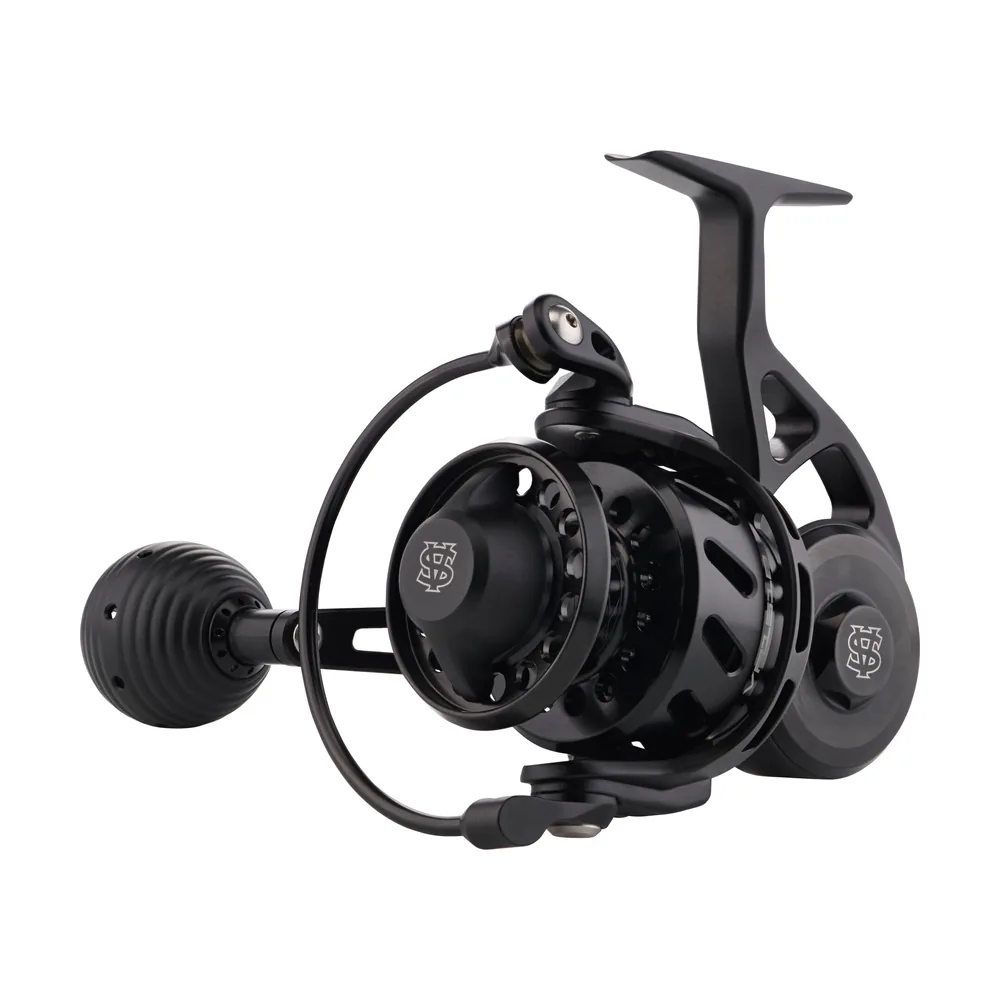
Buying role: Older-generation coastal and saltwater value comparison.
Read the full VR Series Bailed — original generation review (1,324 words)
Review the original generation on its own terms
Original VR remains in the checked official lineup alongside VR II and is marked Sale. That makes it a useful comparison for buyers considering an older-generation purchase, remaining stock or a used reel. Its official description lists a machined 6061 aluminum body, sealed body and spool construction, stainless spiral-bevel gearing and a waterproof drag system. Those features should be evaluated directly. The review does not treat the older product as obsolete merely because VR II exists, and it does not give it newer features that the original page does not explicitly establish.
The purchasing argument begins with configuration and price. If the available original VR matches the intended rod, line and method, a favorable local price may justify closer examination. If the desired size or retrieve option is missing, the discount cannot make the reel suitable. Compare the complete delivered package, warranty eligibility and service arrangements. A older-generation listing deserves accurate identification because photographs, copied descriptions and retailer titles can mix generations. Keep the exact model code with the order rather than relying on the family name alone.
Sealed construction remains a documented proposition
The original VR page describes sealed body-and-spool construction and a waterproof drag system. Those are meaningful saltwater design details, but this guide does not add an IPX rating or universal underwater-use permission. Consult the appropriate manual for the exact generation and ask the supplier about exposure relevant to the method. The absence of a rating in this review is an information boundary, not a claim that the reel lacks all protection. Accurate buying analysis should preserve what is documented without enlarging it into a guarantee.
Protection also needs ownership context. A new reel from remaining stock and a used reel can have very different exposure histories. Sand, impact, inappropriate cleaning or unauthorized work can matter regardless of the original specification. If buying used, obtain an appropriate inspection and service history where possible. This review does not infer remaining life from a premium badge. For a new purchase, confirm the eligible channel and retain the receipt. A sealed design should support sensible care, not create an expectation that every problem must be covered by warranty.
Machined aluminum and stainless gearing
The official feature list identifies a machined 6061 aluminum body and stainless steel spiral-bevel gearing. These are the correct original VR construction facts for the comparison. Do not transfer VSX2’s one-piece body-and-stem description or titanium main-shaft specification into VR unless the exact source establishes it. A broad brand identity is not a substitute for a product-specific chart. This review also does not assign measured rigidity or wear advantages to the construction. It uses the information to explain the design proposition and the practical questions that remain.
Mount the candidate on the intended rod where possible. The reel should fit the usual line class and presentation without making the outfit unnecessarily cumbersome. A coastal lure outfit requires repeated handling, while a larger bait or boat outfit may have different priorities. The correct size is the one that supports the normal job with suitable reserve. Buying a larger remaining-stock model simply because it is discounted can turn a promising value purchase into an awkward outfit. The saving is meaningful only after the configuration has passed the fit assessment.
The current listing and older size assumptions
The checked current selector presents 50, 75, 150, 175 and 200, while older official material and retailer listings may describe a broader range. This guide does not promise that every historical size remains available. The displayed current chart includes specific left- and right-hand codes and must be read by column. For example, VR150 lists 4.8:1 and thirty-five pounds maximum drag, while the compact VR50 example lists 6.3:1 and twenty-five pounds maximum. Those are different configurations, not universal family values.
Confirm the selected code, color and retrieve side with the actual seller. Do not assume a handle can be moved to the other side because another spinning reel permits that operation. Where the purchase depends on a particular recovery rate or capacity, obtain the full chart; some extracted fields remain blank until variant selection. A ratio alone does not determine line pickup, and a maximum drag alone does not determine the appropriate line or rod. Missing figures should become precise questions rather than guesses based on similar-looking reels.
The bail-less conversion kit
Original VR’s official feature list includes a bail-less conversion kit. That is a useful buying distinction for an owner who wants the supported choice of operating arrangements. Confirm the contents of the package before purchase, especially for used equipment or remaining stock. An included-kit claim in a family description does not prove that a particular second-hand listing still contains the parts. Obtain the instructions and use the approved procedure. If compatibility or warranty is uncertain, ask before performing a modification.
A buyer who intends to fish bailed should evaluate that normal arrangement rather than paying primarily for an unused option. Someone who wants bail-less operation should understand the casting and line-pickup routine before the first demanding session. The ability to convert is not a substitute for a routine the owner can perform consistently. Do not assume original VR conversion parts fit VR II or VSX2 without confirmation. Generation, model and accessory should all be named in the inquiry so the answer applies to the actual purchase.
Assess working pressure and reserve
The published drag maximum is a ceiling, not the normal setting for every outfit. Choose working pressure around the rod, line, knots, hooks and fishing position. A coastal setup may need substantially less pressure than the largest number in the chart suggests. A larger saltwater configuration must also carry practical reserve after accounting for depth and current. Obtain capacity with clear units and consider the chosen line’s diameter. A discounted reel cannot compensate for a spool that is too small for the normal method.
For offshore comparisons, use the same discipline as with a current premium purchase. Determine the actual workload, recovery requirement and landing plan. Do not infer sustained-load endurance or suitability for every bluewater species from the original VR’s construction description. This review does not report personally tested drag heating or long-term internal wear. A buyer who needs those results should seek reliable tests or advice for the exact configuration. The researched specification can narrow the shortlist without pretending to settle every extreme-use question.
Compare the saving with VR II
VR II explicitly documents Powergrip handle and drag knobs. Original VR should not be assumed to include that same package. If those handling details matter, inspect both actual configurations and consider how frequently the difference would affect the normal session. If they do not matter much to the owner, fit and local cost may weigh more heavily. The decision should be about a meaningful feature rather than a rule that the newest generation always wins or that older discounted equipment is always the better bargain.
Check warranty and service before calculating the saving. The official policy’s original-owner language is relevant to used purchases, and eligible coverage has exclusions. An inexpensive listing can become costly if it needs service or lacks practical support. Include likely inspection, missing accessories and delivery costs in the comparison. For a frequently used working outfit, time without the reel can matter as much as the initial saving. A careful value decision considers the whole ownership proposition rather than only the difference between two advertised prices.
Buying verdict
Original VR remains a worthwhile older-generation comparison when the available configuration fits the fishing and the complete cost is favorable. It is a weaker purchase when the saving depends on missing accessories, unclear history or assumptions about newer features. Confirm generation, exact code, retrieve side and package contents, then obtain the chart and an appropriate service route. This researched review explains the decision without claiming that remaining stock is universally superior value or predicting the lifetime of an individual used reel.
View official VR Series Bailed — original generation specifications · Back to comparison
VSX2 Bailed — detailed review
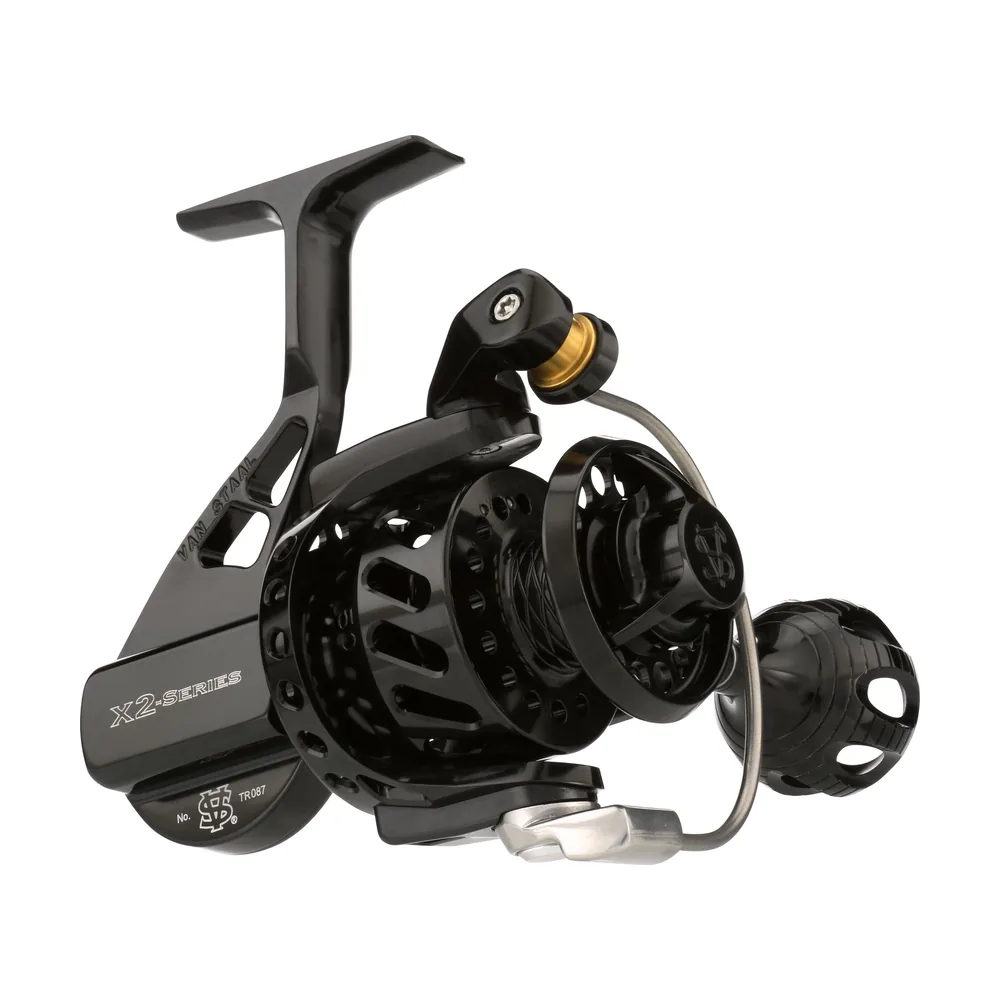
Buying role: Bailed premium inshore and larger saltwater configurations.
Read the full VSX2 Bailed review (1,279 words)
Premium X2 construction with a bailed routine
VSX2 Bailed is the appropriate X2 comparison for an angler who wants a bailed operating arrangement. It shares important architecture with other X2 versions but deserves separate treatment because the casting routine and current size selection affect the purchase. The official description identifies a machined 6061 one-piece body and stem, a titanium main shaft, stainless spiral-bevel gearing and Powergrip handle and drag knobs. These provide concrete design information. The review does not assume that every broader-family option is available in this particular bailed listing.
The checked chart lists 50, 150 and 200 configurations with left retrieve. That narrower selection matters. A buyer needing a different size or retrieve side cannot make this product fit merely by pointing to options elsewhere in the X2 family. Confirm the actual code before ordering. VSX2 Bailed is most persuasive when its operating arrangement, construction and selected size match a specific coastal or saltwater outfit. It is less persuasive as a purchase based solely on the premium brand name without a defined method and reserve requirement.
The one-piece body and stem
The official X2 description gives a one-piece body-and-stem architecture and a sealed design. It also describes generation changes from the VS foundation, including handle and knob changes and clutch placement. Those are documented design descriptions rather than an exact 2025 or 2026 release history. This review does not turn the construction into independently measured strength gains. To establish a numerical rigidity or endurance advantage would require evidence beyond the published product description and a test that has not been performed for this directory.
For the angler, the immediate question is outfit fit. A compact 50 and a larger 200 do not serve the same job simply because both use the X2 design. Inspect the handle reach, grip and balance on the intended rod where possible. Repeated coastal casting can emphasize comfort, while a larger saltwater setup needs to justify its size through useful capacity and workload suitability. The design is a reason to consider the reel carefully, not a way to bypass those practical decisions.
Bailed use should be selected deliberately
A bailed arrangement can suit an owner’s established line-management routine. That preference is sufficient reason to compare VSX2 Bailed without claiming that bail-less fishing is inferior. Confirm the actual operation, included parts and normal closure routine with the seller or manual. Do not assume that a VR conversion-kit description applies to this X2 listing. The current feature list refers to options in the broader X2 range but does not establish the same included conversion kit offered on the VR pages.
If the buyer expects to switch operating arrangements later, obtain explicit manufacturer guidance before making that expectation part of the purchase. Components with related names are not automatically interchangeable. The correct choice supports a routine the owner understands and can repeat under the conditions encountered. A costly reel can still disappoint if its operation differs from what the buyer assumed. Clarifying that point before filling the spool is simpler than attempting an unapproved conversion after the outfit has been committed to use.
The compact 50 configuration
The displayed VSB50BX2 example lists 5.9:1 gearing, twenty-five pounds maximum drag and left retrieve. These figures belong to that exact code. They can help compare a compact premium coastal setup, but they do not establish recovery rate, capacity or weight where the checked fields remain blank. Obtain the full chart if the technique depends on those values. A premium drag ceiling is not a reason to apply heavy pressure to a light rod or assume the spool carries enough reserve for every coastal fish and position.
For an inshore lure outfit, consider the normal presentation, the time spent casting and the way the setup balances in the hand. The reel should support the rod and line rather than dominate them unnecessarily. If the ordinary session involves sheltered water and modest exposure, compare the premium cost with other appropriate designs. If frequent harsh exposure and a preferred bailed arrangement justify the specification, the 50 deserves a more serious look. The correct conclusion is conditional on the actual job, not an automatic brand-wide recommendation.
Larger sizes need separate charts
The displayed 150 gives 4.75:1 and thirty pounds maximum drag, while the 200 gives 4.25:1 and forty-two pounds. Keep those values attached to their own codes. The larger sizes can enter coastal, surf and appropriately defined offshore comparisons, but the final choice requires capacity, recovery and outfit fit. Estimate line consumed by depth and current and retain practical reserve. A large drag figure cannot substitute for that reserve or establish that a particular rod is suitable for the intended pressure.
An offshore casting outfit may emphasize repeated handling differently from a heavier bait or jig outfit. A shore outfit may have a landing position where the angler cannot follow a running fish. Those differences can change the preferred configuration even within a narrow family. Obtain the complete specification and assess it alongside the technique. This review does not report personal offshore catches or measured sustained-load endurance. It offers a researched comparison framework rather than presenting every larger X2 as universally suitable for heavy bluewater work.
Sealing and ownership care
The checked source describes a fully sealed body-and-stem design. This guide does not add an IPX certification or universal immersion limits. Obtain the manual and clarify the intended exposure where it matters to the method. Protected construction is useful in a saltwater comparison, but it does not make impact, abrasion or neglect harmless. Keep the reel away from sand where possible, handle it carefully around hard surfaces and follow the recommended post-session procedure. A change in function after contamination deserves attention.
The official warranty has eligible-defect coverage and exclusions, including corrosion and improper maintenance. Read the live policy and confirm the practical service route. A buyer should not assume that sealed construction means every saltwater incident is covered. Frequent users may place substantial value on a local authorized service option and a realistic turnaround. That ownership support can matter more than a modest difference in purchase price between similar premium configurations. Retain the receipt and any written clarification of the exact model and package.
Compare it with bail-less X2 and VR II
The dedicated bail-less X2 listing offers a broader checked size range and selected right-hand variants, while VSX2 Bailed has its own narrower current chart. Those are practical distinctions beyond bail preference. VR II provides a different platform and a documented conversion-kit proposition. Compare the exact options needed for the outfit instead of assuming all premium Van Staal choices have the same range and package. The most useful comparison identifies which product actually offers the required size, retrieve and operating arrangement in the buyer’s region.
If none of the current bailed configurations fits the job, consider an appropriate alternative rather than compromising essential requirements to stay with the series. Another model or manufacturer can be the better purchase for a specific technique. The X2 design is attractive because of its documented proposition, but that proposition should serve the angler. A configuration selected for reputation alone can leave important practical questions unanswered. Exact fit, clear specifications and ownership support make the premium decision more defensible.
Buying verdict
VSX2 Bailed deserves a premium shortlist for buyers who want its documented architecture and a bailed routine in an available size. Verify left retrieve, the exact chart, package and service terms. Its value becomes clearest when those details address frequent conditions in the normal fishing. This researched review does not claim personal drag tests, independently measured sealing performance or proof that every angler will prefer it to the bail-less version.
View official VSX2 Bailed specifications · Back to comparison
VSX2 Bail-less — detailed review
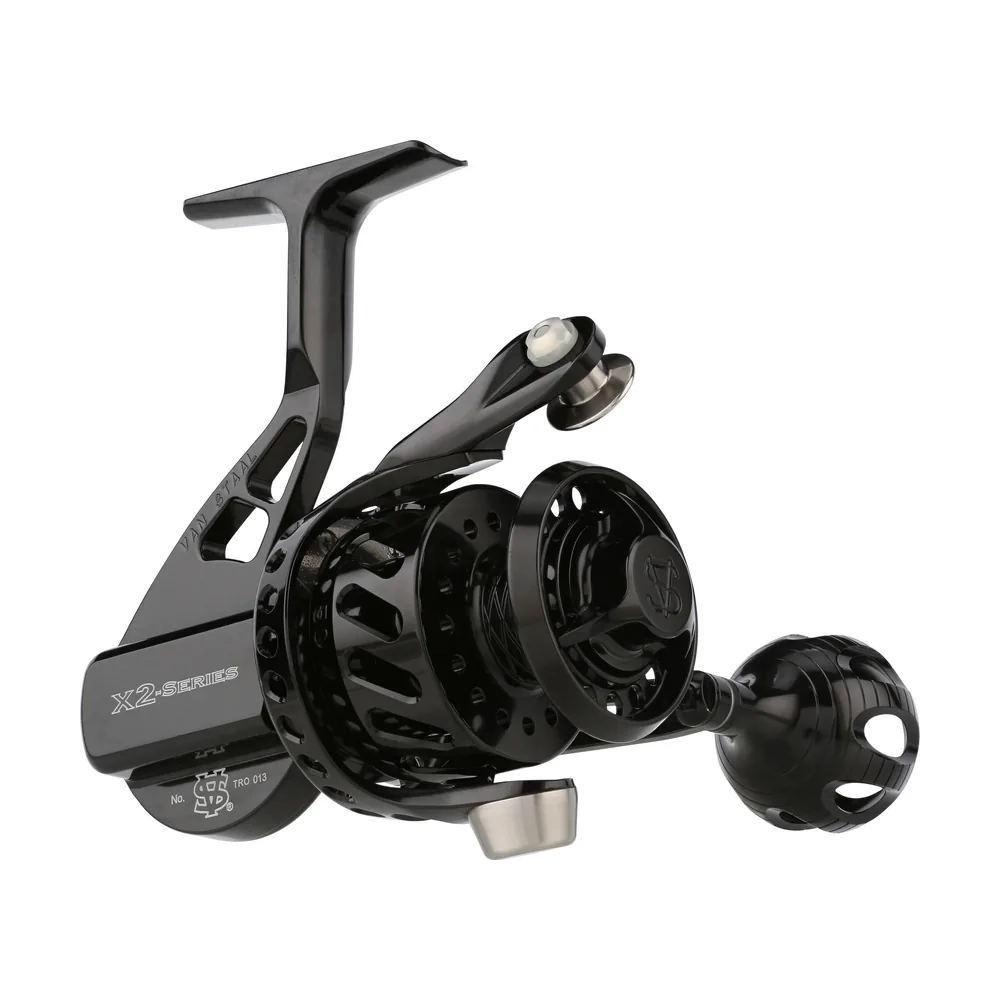
Buying role: Dedicated bail-less coastal, surf and larger saltwater choices.
Read the full VSX2 Bail-less review (1,301 words)
A dedicated operating choice with a broad size range
Standard VSX2 Bail-less is the dedicated X2 choice for an angler who wants bail-less operation. The checked official range spans 50, 100, 150, 200, 250 and 300, with selected right-retrieve variants in particular sizes. That breadth is useful, but the configurations remain different tools for different outfits. The series should be shortlisted around a specific casting routine, line requirement and workload. A buyer familiar with bailed reels should understand the different line-pickup routine before treating this as an uncomplicated upgrade based only on premium construction.
Its official description identifies the one-piece machined 6061 body and stem, titanium main shaft, stainless spiral-bevel gearing and Powergrip knobs associated with X2. These are meaningful product facts, not a record of personal tests. The review does not assign an unsupported current model year or claim the series was first introduced in 2026. The checked lineup establishes that it is a current product. Its generation-level changes should be discussed as design information rather than converted into an invented annual release timeline.
Bail-less operation is the starting point
The strongest purchasing case comes from an owner who understands and prefers the bail-less routine for the intended fishing. The choice should not be framed as a universal performance hierarchy. A bailed configuration may serve another angler better because it fits an established technique and handling preference. Arrange a clear explanation or demonstration if the system is unfamiliar. The reel should support consistent line management during the normal session, including conditions where the angler’s attention is divided by footing, wind or a moving boat.
Do not infer conversion or component interchangeability from the broader X2 family description. A dedicated bail-less purchase and a VR with an included kit are different propositions. If a future change in operating arrangement is part of the plan, obtain approved guidance for the exact code first. Unauthorized modification can create an ownership problem that the original design specification cannot resolve. Keep the intended operation in the purchase decision instead of assuming any reel can be adapted later without consequences.
Body, shaft and gearing
The one-piece body-and-stem description distinguishes X2’s documented architecture from a general metal-body label. Titanium for the main shaft and stainless spiral-bevel gearing provide additional specific information. These facts can justify a closer saltwater comparison, but they do not independently quantify flex, tolerances or wear behavior. This review does not present a teardown or measured load test. It explains what the source establishes and asks whether that construction proposition addresses the buyer’s actual conditions well enough to justify the premium cost.
The assembled configuration must still fit the rod. A compact example used for frequent lure casting should not be judged only by the same criteria as a larger saltwater outfit. Handle position, balance and practical reserve all matter. A large premium reel can be unnecessarily cumbersome in a light coastal session, while a compact comfortable setup can be underprepared for deeper current. The best choice is neither automatically the largest nor the smallest. It is the size that supports the ordinary method with a sensible margin.
Compact coastal examples
The checked standard chart lists VS50BX2 at 5.9:1 and twenty-five pounds maximum drag, VS100BX2 at 5.4:1 and thirty pounds, and VS150BX2 at 4.75:1 and thirty pounds. Those are exact-code examples. A lower or higher ratio is not by itself a verdict on lure suitability. Recovery per turn also matters because spool dimensions influence pickup. Some fields in the extracted page remain blank until selection, so this guide does not invent recovery or capacity from the size label or ratio.
Choose the compact configuration around the usual lure, line class and fishing position. The published drag ceiling is not the recommended pressure for every light rod. Build the complete system, determine a sensible working setting and account for reserve after abrasion trimming. If the normal method uses a small presentation but the difficult position requires more line, the decision may need a careful compromise or a different outfit. Premium internals cannot solve every conflict between compact handling and substantial reserve.
Larger saltwater and offshore comparisons
The standard 200 and 250 chart examples list 4.25:1 gearing and forty-two pounds maximum drag, while the 300 lists 5.1:1 and the same maximum. These figures are useful starting points for larger saltwater comparisons, but they do not establish the complete offshore specification. Obtain the exact capacity and recovery with clear units. Estimate how much line the depth and current consume before a run, and allow a practical margin. The rod, leader and landing method also need to support the pressure plan.
The official family material spans back-bay to offshore-tuna positioning, but a particular recommendation should remain tied to size and workload. A large surface-casting outfit and a deep presentation can demand different retrieve and handling priorities. This review does not claim measured drag endurance or a personal offshore catch record. A buyer needing specialist heavy-use evidence should seek reliable exact-model advice and testing. The current source can establish a meaningful shortlist without pretending every member of the family suits every extreme application.
Retrieve side is code-specific
The current chart includes selected right-retrieve models, such as 151 and 201 codes, while other examples list left retrieve. That is an important purchase detail rather than an incidental preference to settle after delivery. Do not assume the handle can be switched merely because another spinning reel allows it. Verify the exact code and delivered arrangement with the seller. Color and size selectors do not guarantee every possible combination is stocked, and a broad family description should not override the specific model column.
This is particularly relevant for an owner moving between brands or generations. Similar size numbers do not establish equivalent dimensions, capacity or handedness. Write the complete code in the order and keep any clarification with the receipt. If the required configuration is unavailable, compare a suitable alternative rather than compromising a basic operating requirement. A premium reel should make the intended fishing practical. An unsuitable retrieve side or missing size cannot be justified by construction features the buyer otherwise admires.
Protection and care
The official page describes a fully sealed body-and-stem design. No IPX rating or universal immersion conditions are added in this guide because the checked source does not establish them. Obtain the supplied instructions and clarify unusual exposure with the service team. Saltwater protection does not eliminate impact damage, abrasion or every external moving interface. Keep the reel clear of sand where practical and follow the recommended cleaning procedure. Respond to a significant contamination event or a change in operation instead of assuming the seal description means nothing can be wrong.
Service planning belongs in the premium purchase. Read the current warranty, retain the dated receipt and identify the authorized route in the intended region. The official policy has exclusions, so the construction should not be interpreted as unlimited incident coverage. A frequent owner may value predictable service more than a small price saving from a difficult purchase channel. For used equipment, inspect condition and history separately from the original specification. A model name cannot predict the remaining life of a reel that has experienced unknown treatment.
Standard X2 versus Fast
Compare the standard and Fast versions where a faster ratio would address the normal technique. The Fast 150 uses 5.4:1 against the standard example’s 4.75:1, while Fast 200 and 250 use 5.1:1 against 4.25:1. That is a concrete distinction. It does not prove every angler should choose Fast. Obtain exact pickup and consider the presentation, not the label alone. Standard gearing remains a valid choice when it fits the routine. The final verdict is a strong dedicated bail-less shortlist subject to exact-size verification, outfit fit and practical support.
View official VSX2 Bail-less specifications · Back to comparison
VSX2 Bail-less Fast — detailed review
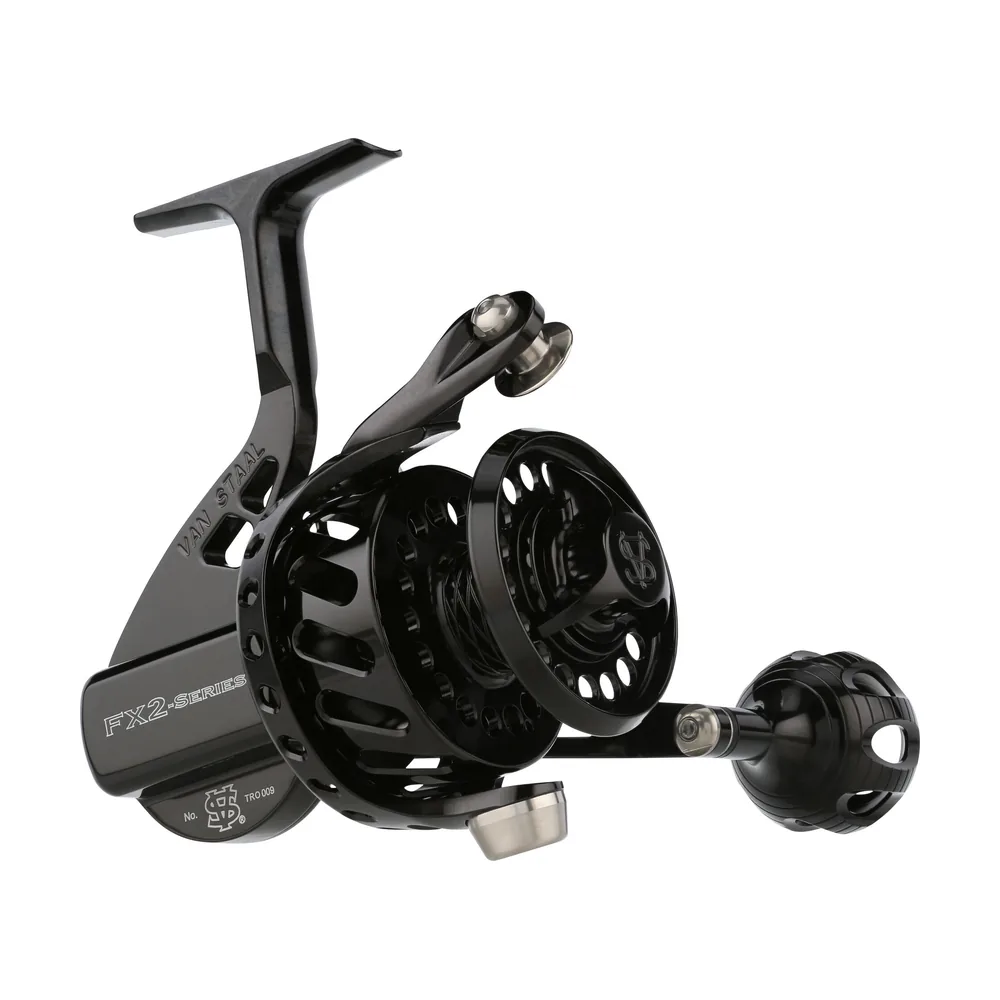
Buying role: Faster-geared bail-less surf and larger saltwater comparison.
Read the full VSX2 Bail-less Fast review (1,321 words)
Fast is a specific retrieve choice
VSX2 Bail-less Fast is a meaningful variant because its current specification changes the gearing of available 150, 200 and 250 configurations relative to their standard X2 examples. It should be reviewed as a technique-related choice rather than a new engineering platform unrelated to the rest of X2. The core official description retains the one-piece machined 6061 body and stem, titanium main shaft, stainless spiral-bevel gear system and Powergrip knobs. Those details establish the shared design proposition; the gearing difference supplies the distinct purchasing question.
The buyer should be able to explain why a faster retrieve is useful for the normal session. Perhaps slack recovery or a particular presentation deserves greater priority. That is more persuasive than assuming the word Fast means an improvement in every situation. A standard configuration may fit another method better. Define the usual lure or rig, fishing position and retrieve routine, then compare the exact charts. This review does not claim that Fast catches more fish, casts farther or has independently measured advantages beyond the documented specification difference.
The ratio comparison is concrete
The checked Fast chart gives VS150BX2F a 5.4:1 ratio and thirty pounds maximum drag. VS200BX2F and VS250BX2F list 5.1:1 and forty-two pounds. Corresponding standard examples list 4.75:1 for the 150 and 4.25:1 for the 200 and 250. These are precise differences that can inform a shortlist. Keep the codes attached to the figures. The Fast chart currently lists left retrieve; the broader X2 family’s other retrieve options should not be assumed to exist for this particular variant.
Ratio does not establish the complete line-recovery comparison by itself. Spool dimensions participate in pickup, and a working spool does not retain identical effective diameter through every stage of a cast or run. Obtain the exact published recovery for the selected configuration if the technique depends on it. The checked extracted fields do not expose every needed value, so this guide does not invent inches per turn. A faster ratio is a useful fact, but a purchase based on pickup needs the appropriate chart and a clear understanding of the method.
Match the retrieve to the presentation
For an active presentation, consider how much slack normally develops and how the handle movement fits the lure’s intended action. A faster configuration may deserve attention where recovering line promptly is important. It can also change the routine an angler has developed around a slower outfit. The owner should assess the complete system rather than assuming a ratio number automatically improves control. Current, lure resistance, rod movements and the angler’s technique all influence the practical result, none of which is measured by this directory review.
For a different method, standard X2 may remain the more appropriate comparison. The important decision is not whether a fast model exists, but whether its distinct specification addresses the normal job. If the buyer cannot identify a relevant retrieve need, prioritize exact size, reserve, operating preference and support. A premium variant should earn its place through useful behavior in the planned setup. Avoid creating a problem-free upgrade story from an attractive label when the available evidence describes a specific design choice rather than a universal gain.
Dedicated bail-less operation
Fast is currently listed as a bail-less reel. The angler should understand and prefer that operating routine before selecting it. A buyer accustomed to bailed spinning tackle may need an explanation or demonstration of the line-pickup sequence. This is not a claim that one arrangement is inherently better for everyone. It is a practical fit question. A reel can offer the desired retrieve and still be an awkward purchase if its operating method differs from what the owner expects or can use consistently during the normal session.
Do not assume that conversion parts or bailed arrangements from other Van Staal products apply to Fast. The VR pages list a kit, while this dedicated X2 listing has its own specification. Confirm any planned accessory or modification with the manufacturer before making it part of the purchase. The exact code, generation and arrangement should appear in the inquiry. Similar architecture does not establish universal component interchangeability, and an unsupported modification can create both operational and ownership issues that the original feature list cannot solve.
Construction and the evidence boundary
Fast shares the documented X2 one-piece body-and-stem proposition, titanium shaft and stainless gearing. Those are meaningful reasons to examine it as a premium saltwater candidate. This review does not present an internal teardown, quantified stiffness test or sustained-load endurance result. It also does not claim that the faster ratio reduces or increases service life by a particular amount. Such conclusions need evidence beyond the current product description. Accurate review analysis separates the documented design from measurements that have not been performed.
The assembled outfit remains central. The 150, 200 and 250 configurations require different assessments of size and reserve. A frequent casting angler should consider balance and repeated handling, while a larger saltwater outfit needs enough line for the method and realistic fish movement. A premium construction cannot make an unnecessarily bulky setup pleasant or restore capacity missing from an undersized spool. Mount the actual candidate on the intended rod where possible and compare the configuration that would really be used, not an unrelated size handled briefly in a shop.
Offshore use needs more than maximum drag
The larger Fast examples can enter appropriately defined offshore comparisons, but the final recommendation requires the full capacity and recovery information. Estimate line consumed by depth and current, allow practical reserve and match pressure to the complete outfit. Forty-two pounds maximum drag is a published ceiling, not a universal working setting. The rod, line, knots, hooks and angler’s position can limit usable pressure well below it. The review does not claim that the figure guarantees a particular result against large fish.
Different offshore techniques may favor different configurations. Repeated surface casting can emphasize handling and slack recovery, while a deeper presentation can place more weight on reserve and workload. A demanding specialist purchase should obtain reliable exact-model guidance rather than relying entirely on a family’s broad offshore positioning. This directory supplies design information and original buying analysis, not personal offshore catch evidence. If the decision requires measured endurance data, seek it before treating an attractive specification as sufficient proof for an extreme application.
Sealing and maintenance
The official description lists a sealed body-and-stem design. This guide does not add an IPX rating or invent universal immersion limits. Consult the manual and clarify exposure relevant to the method with the service team. A protected saltwater reel still deserves sensible handling around sand, rocks and hard boat surfaces. Follow the recommended cleaning procedure, and respond to changes in sound, feel or function after a contamination event. Do not interpret the construction description as permission to avoid inspection or as a guarantee that every external interface is immune to abrasion.
The premium ownership decision also includes warranty and service. Read the live policy, confirm the eligible purchase channel and identify an authorized route in the intended region. Retain the dated receipt and the exact-code specification. A frequently used outfit may justify paying more for reliable access to support, while an inconvenient service route can undermine an otherwise attractive purchase. The warranty has exclusions, so protection should not be assumed to provide unlimited incident coverage. Those practical details deserve attention before the reel is scheduled for an important trip.
Buying verdict
VSX2 Fast is a purposeful premium variant for an angler who wants bail-less operation and can identify a useful reason for its faster gearing. Compare exact pickup, reserve, handedness and outfit fit with standard X2 before choosing. It is less persuasive when selected solely because Fast sounds like a universal upgrade. The final recommendation is conditional on the technique and complete ownership proposition. This researched review keeps the documented difference visible without claiming personal comparative field testing or invented performance measurements.
View official VSX2 Bail-less Fast specifications · Back to comparison
Official sources and ownership references
Each review links its official product page. Additional references: Current reel collection · VR and VR II collection · Warranty policy and authorized service information · Official reel schematics. The checked warranty describes one-year original-owner eligible-defect coverage, requires a dated receipt and includes exclusions. Read the live policy for full terms and local applicability.
Compare manufacturers: Shimano · Daiwa · PENN · Okuma · Tsunami.
Back to Spinning Reels Directory
All Van Staal Amazon buying options
Browse every linked model and size below.